Prehistoric Art - Spain
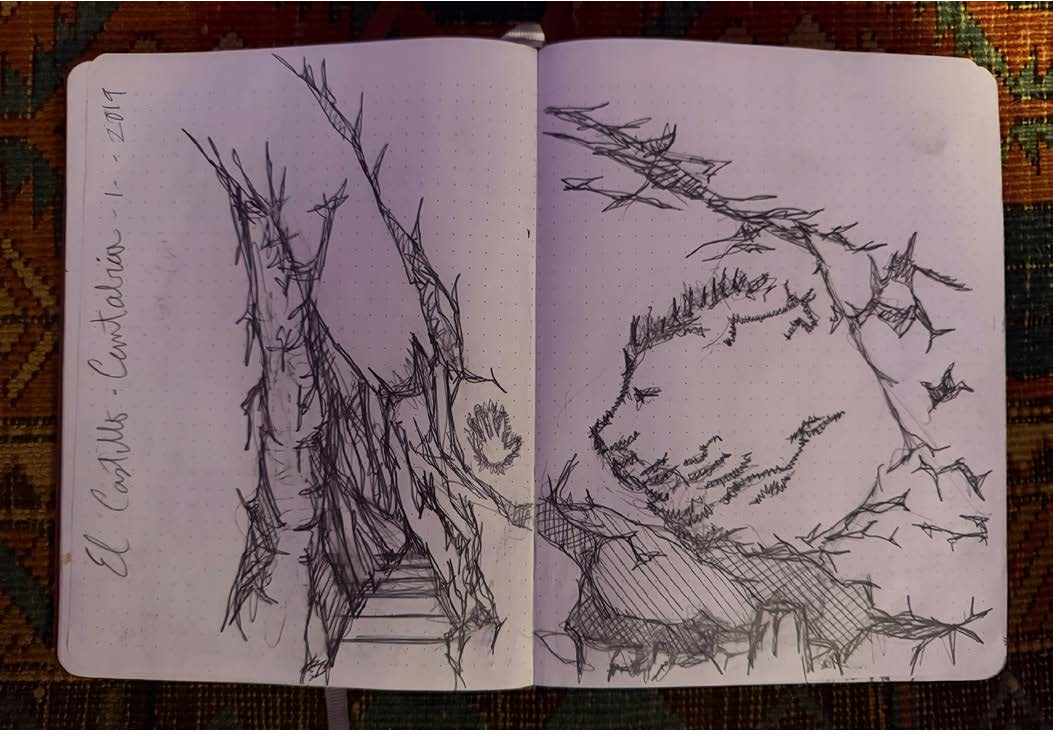
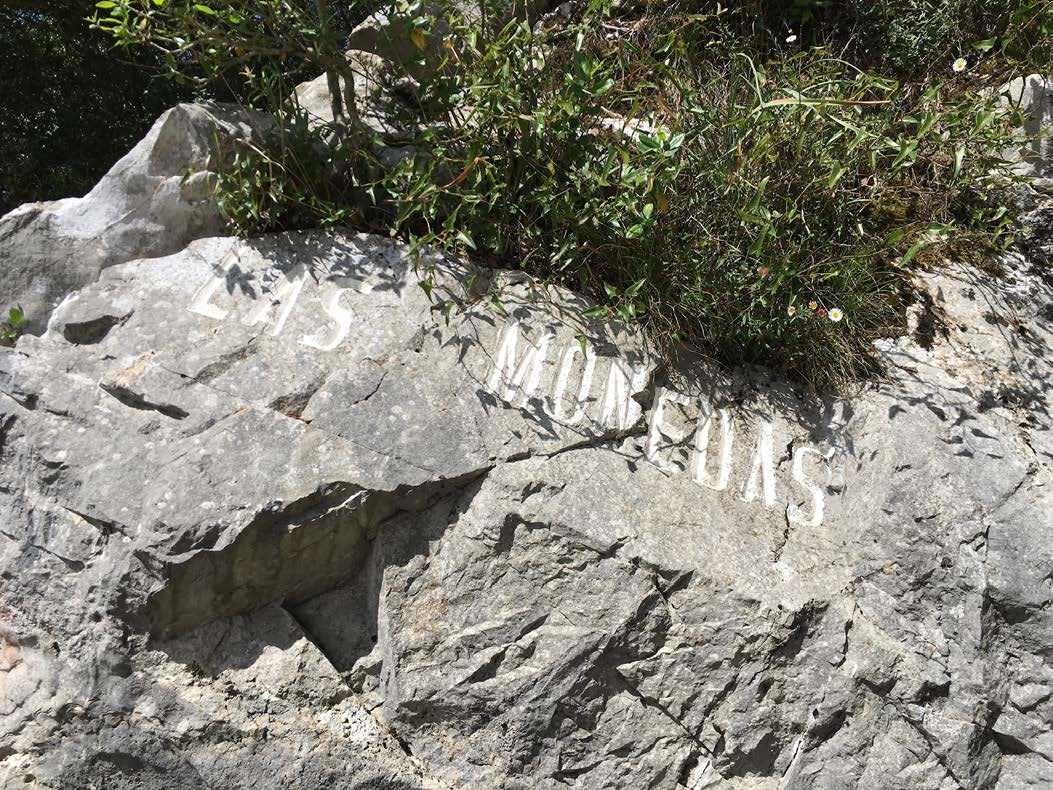
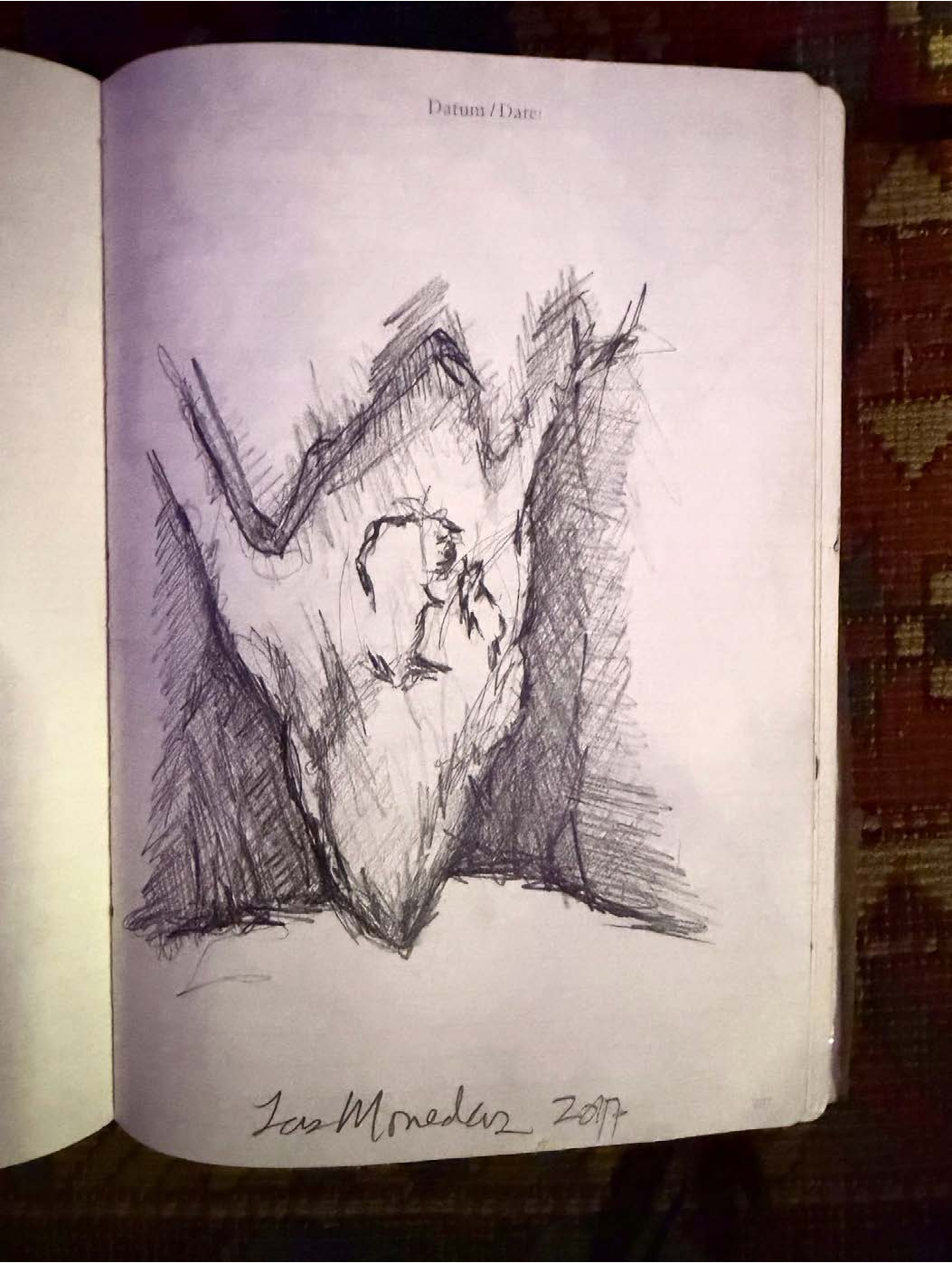
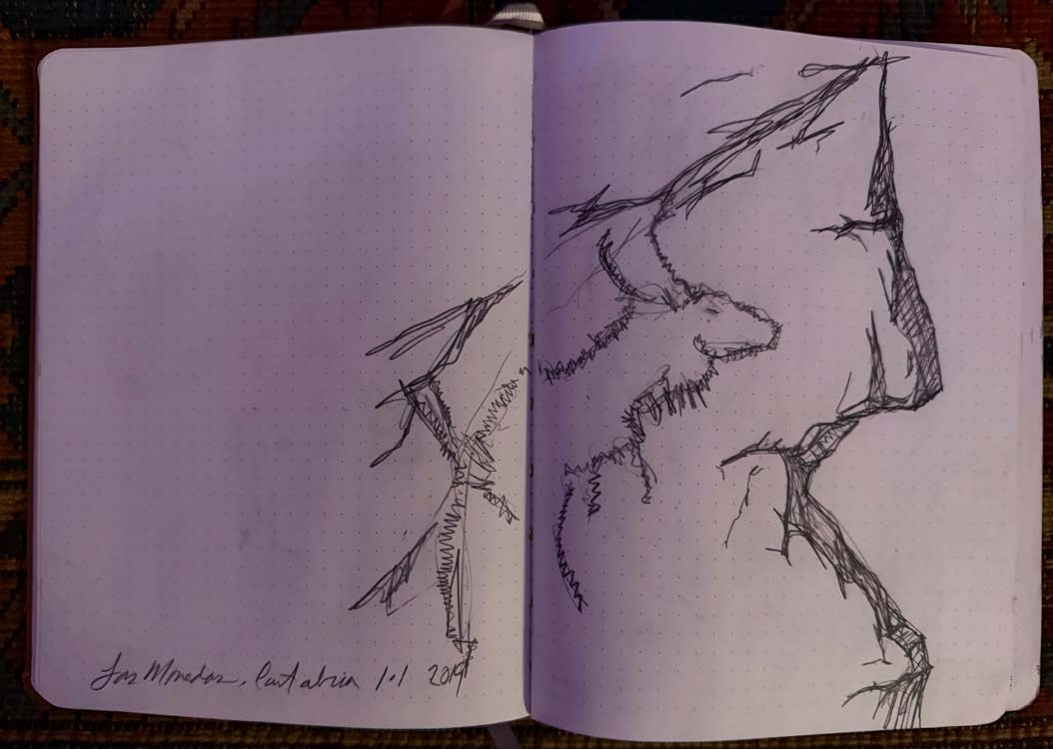
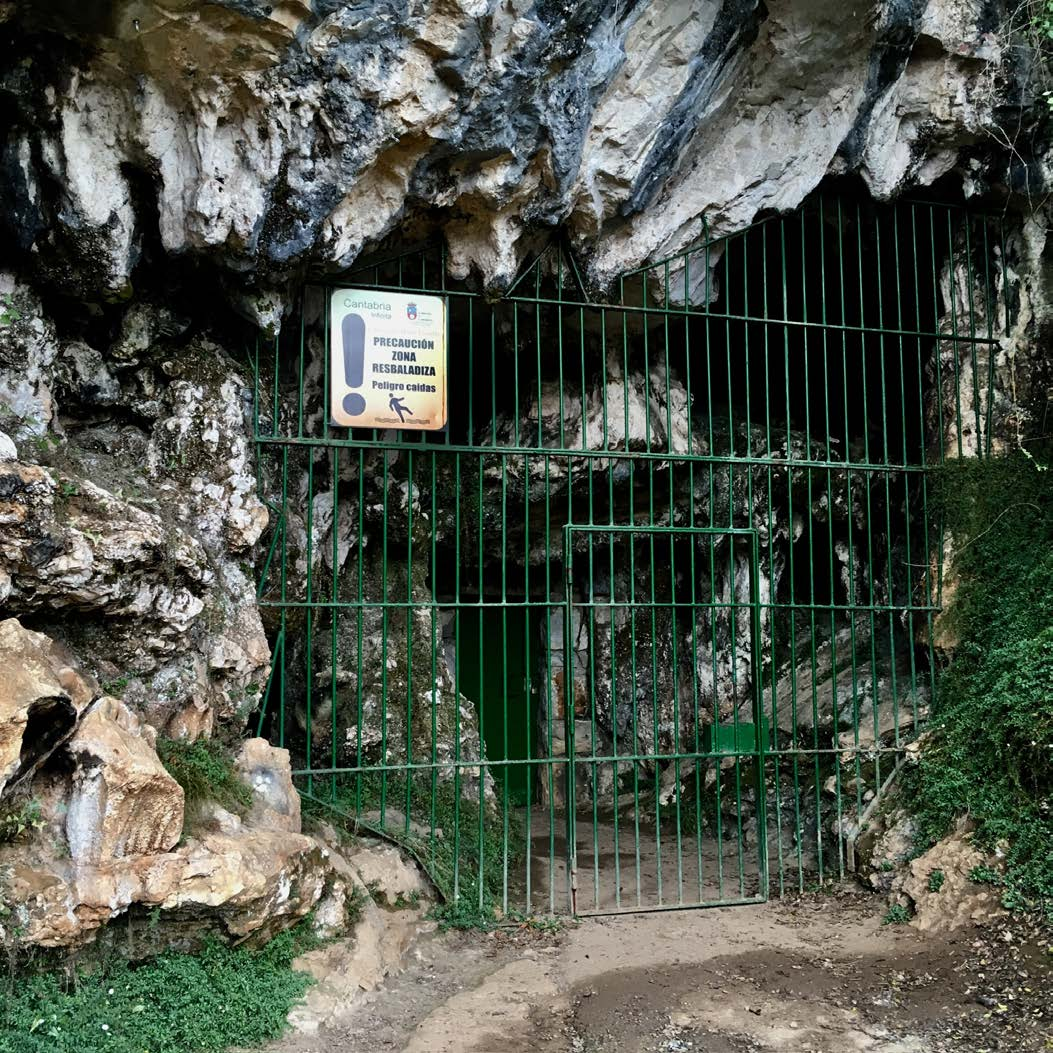
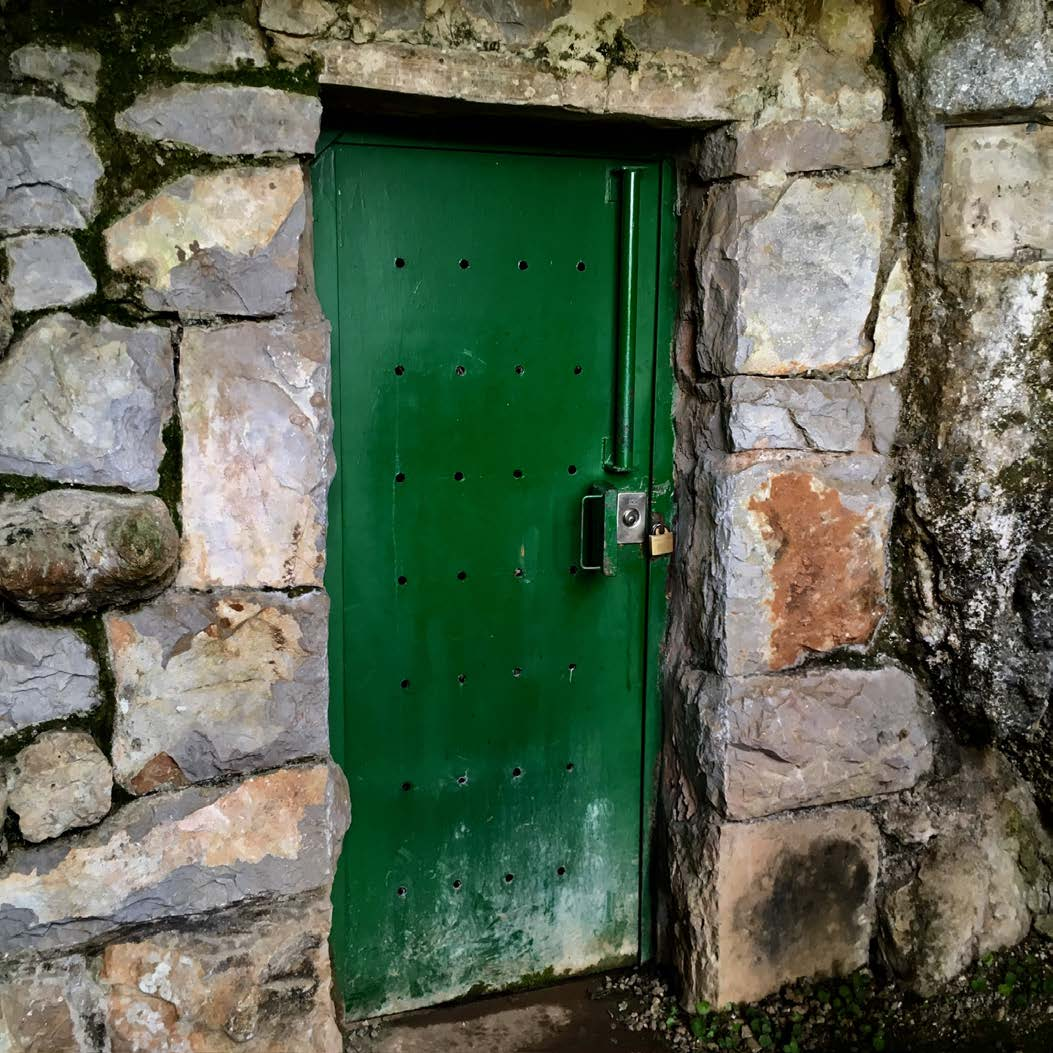
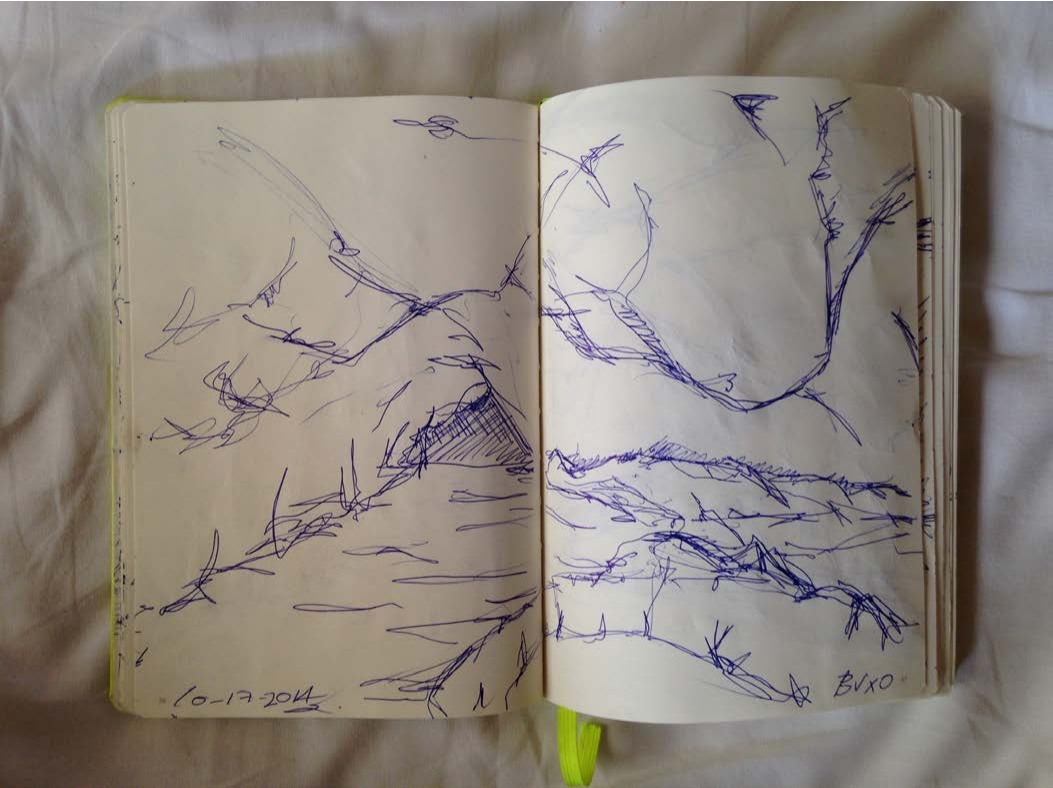
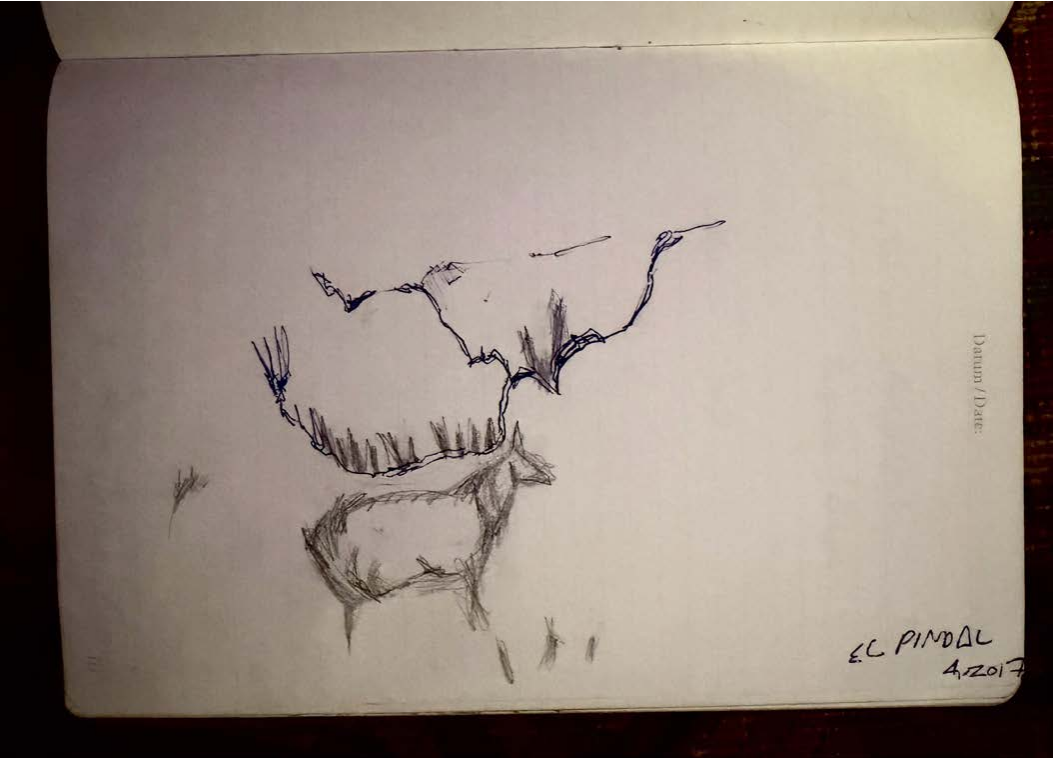
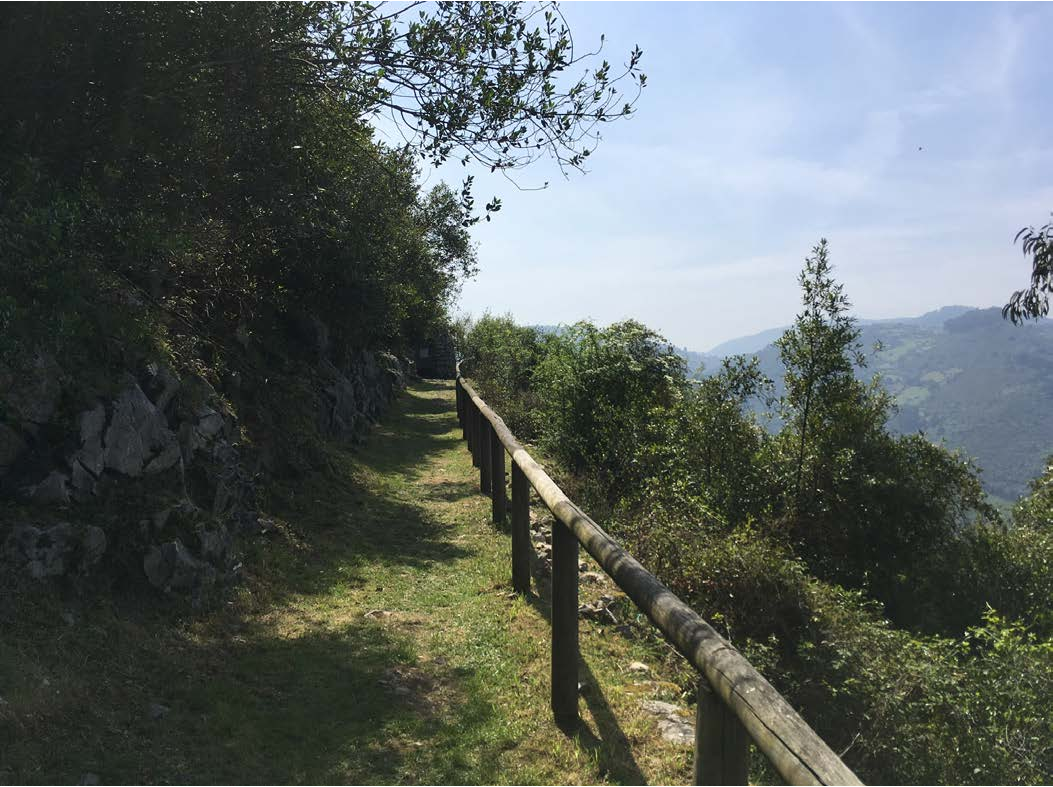
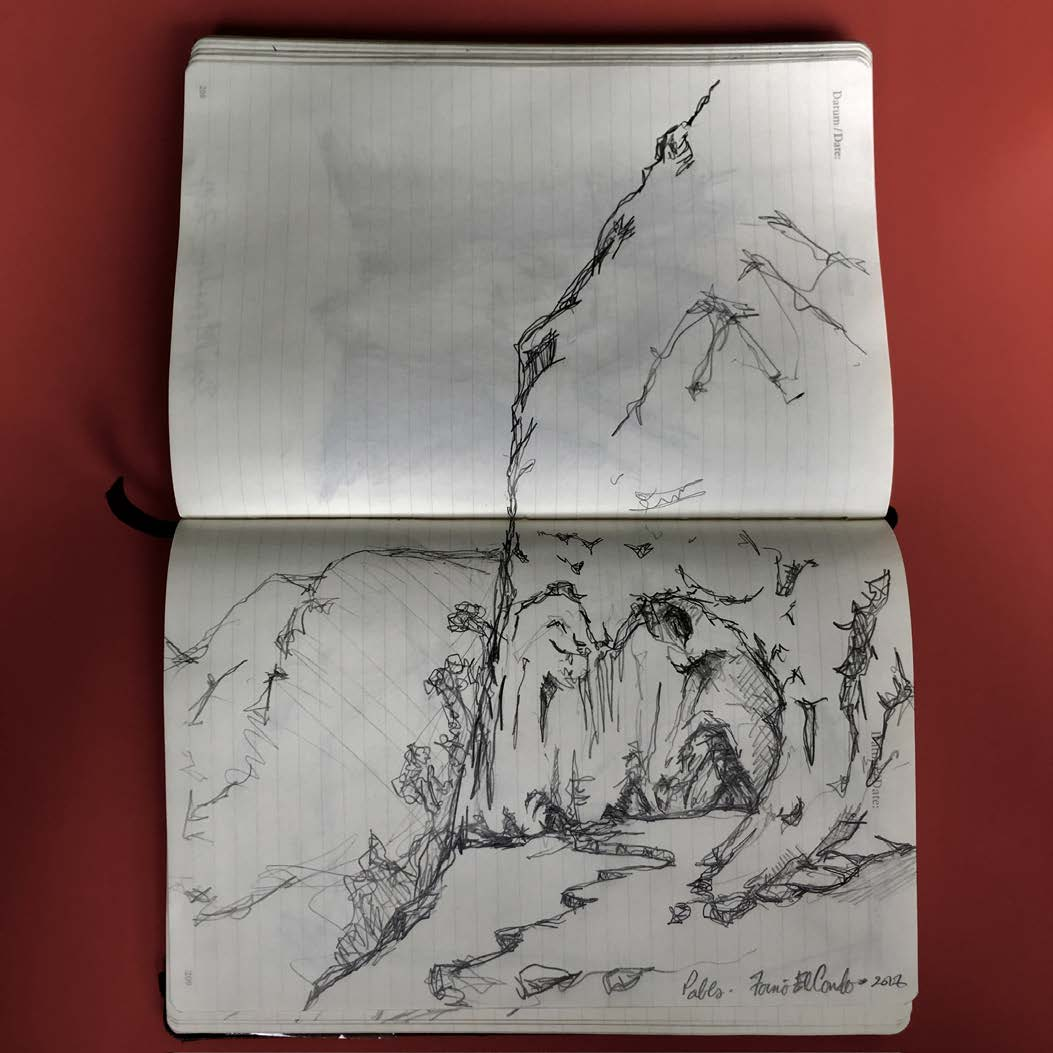
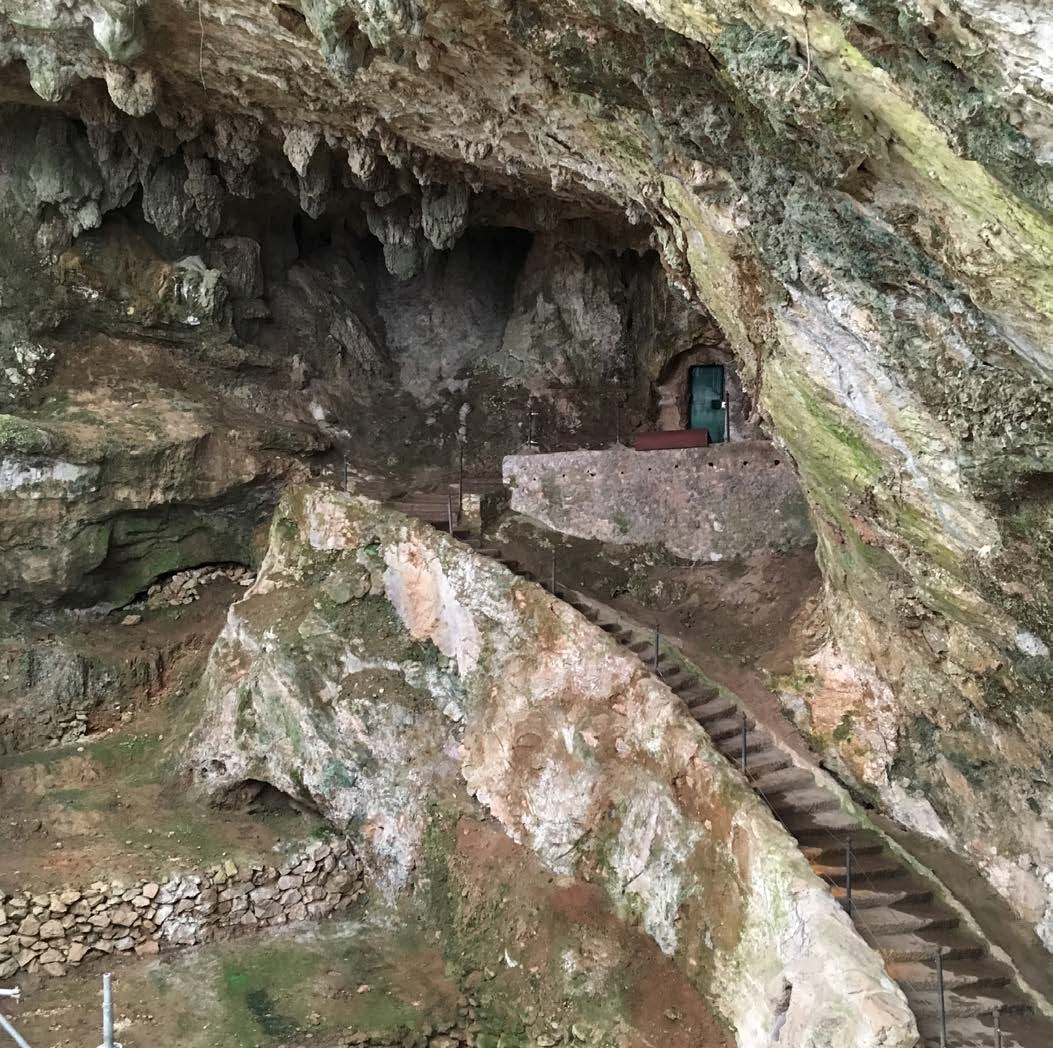
In 2014, I moved to Spain after losing my studio and home due to the implementation of eminent domain on my property in downtown Miami. Over the next five years, from 2014 to 2019, I visited 25 caves with prehistoric art in Spain and France. The prehistoric art, especially the works found inside caves, provided me with some of the most humbling and inspiring visual experiences of my life. These artworks are often located in shrine-like contexts and niches formed by the natural curves of the rock formations. Each cave with artworks is unique, and the placement of paintings, engravings, and drawings can be as deep as a mile into the cave or hundreds of feet down into crevices that have remained unnoticed for centuries. I was fortunate to visit and sketch inside the caves discovered in Spain and France, peering into the origins of some of the earliest forms of human expression created by our species 12,000 to 45,000 years ago. Attached are images of the context, entrances, and sketches I made while visiting the prehistoric art of Spain.
ASTURIAS: Tito Bustillo, El Pindal, El Buxo, Cueva de la Peña de Candamo, Cueva de la Loja, Santo Adrino Shelter + Cueva del Conde
CANTABRIA: Cueva de El Chufin, Cueva la Covalana, Cuevo El Pendo, Cueva de el Oso, Cueva de Cullalvera, Cueva de Los Santos (Becerral) Monte Castillo: Las Monedas / Las Chimeneas / El Castillo / Cueva de la Pasiega (Altamira)
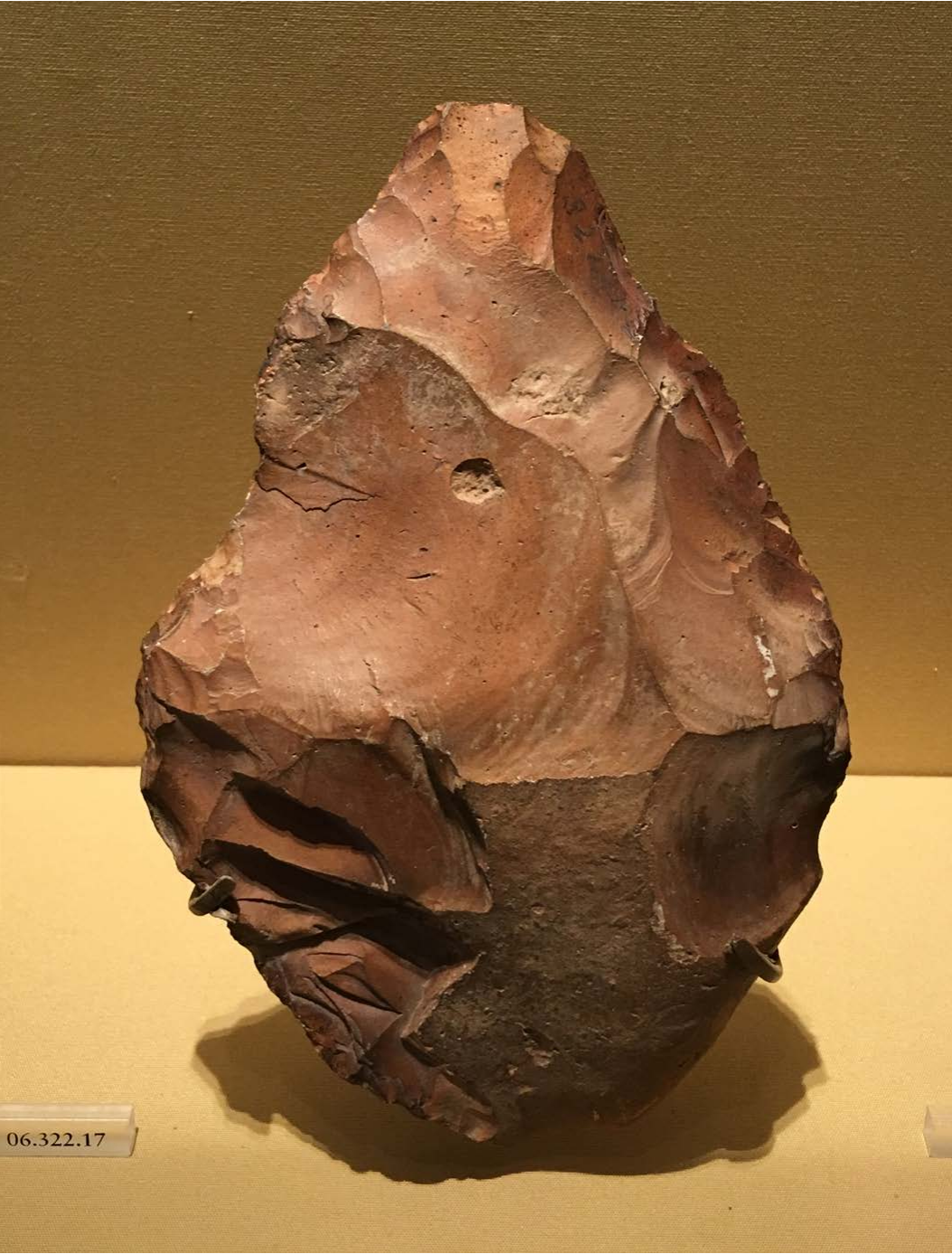
HAND AXE
30,000-45.000 B.C.
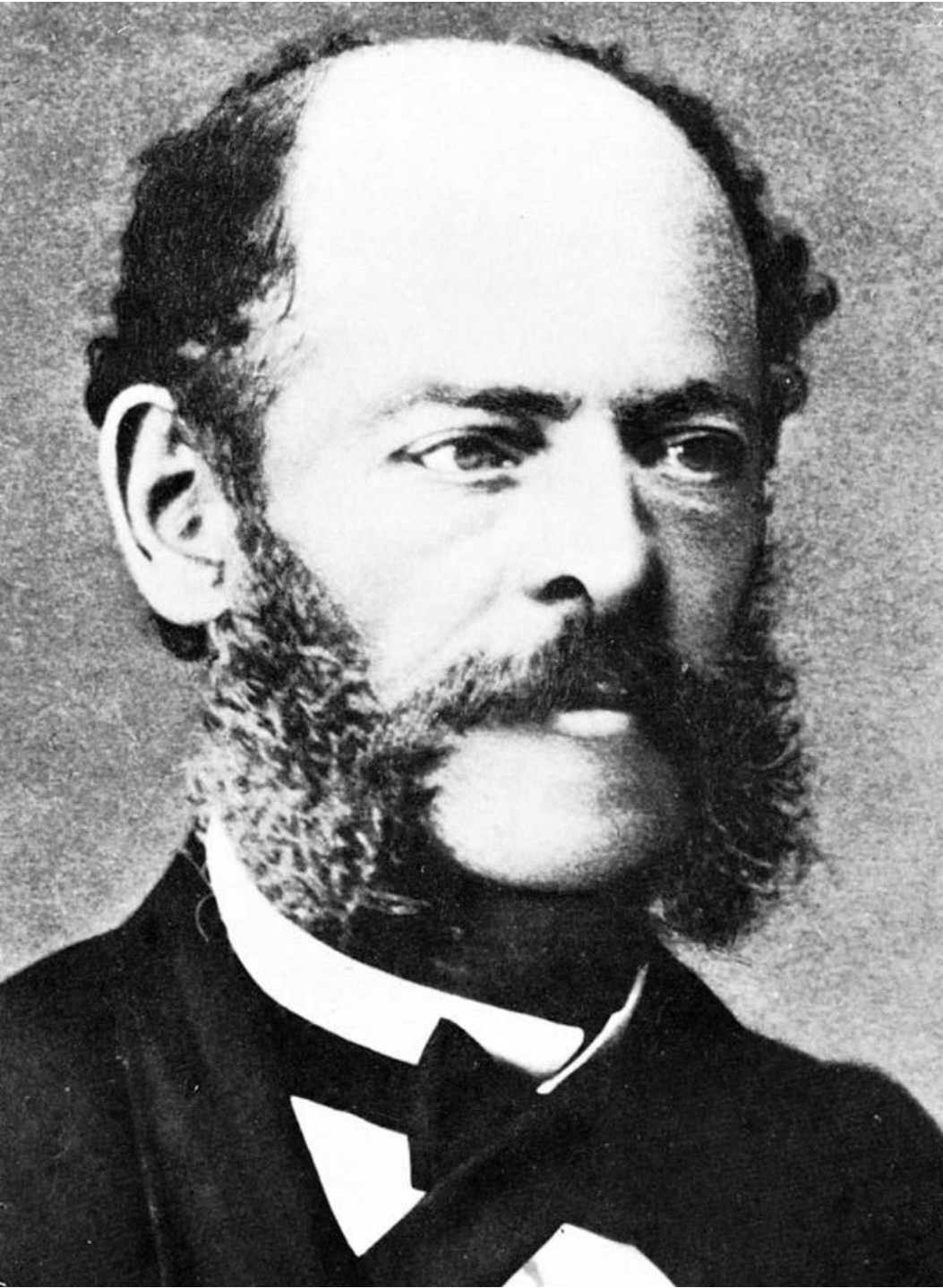
Don Marcelino Sanz de Sautuola
Founder of Altamira, the first cave ever discovered with paintings, drawings and etchings created by Neolithic men and or Neanderthals, discovered in Cantabria near the historic medieval Village of Santillana del Mar.
The greatest concentration of paleolithic and neolithic art in Spain is found in the state of Asturias and Cantabria although there are works that exist all over the Iberian Peninsula. In Spain, several of the cave engravings and paintings are only visible with flashlights and the visits are limited to a handful of visitors and the tours are very often only done in certain times of the year with limited accessibility.
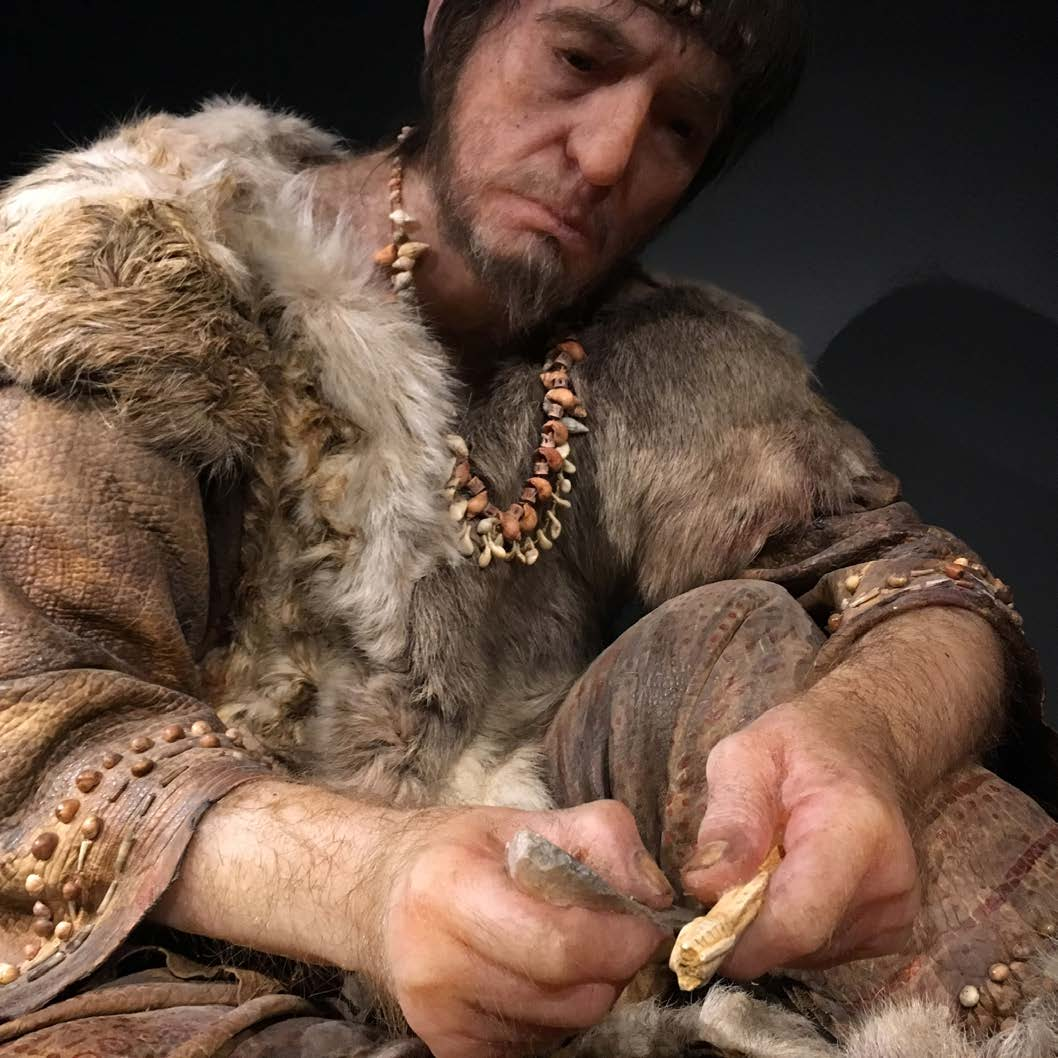
Anatomical Figure of a Prehistoric Man, wearing animal skins, jewelry and shoes. The figure is sitting down making marks onto an animal bone.
ASTURIAS
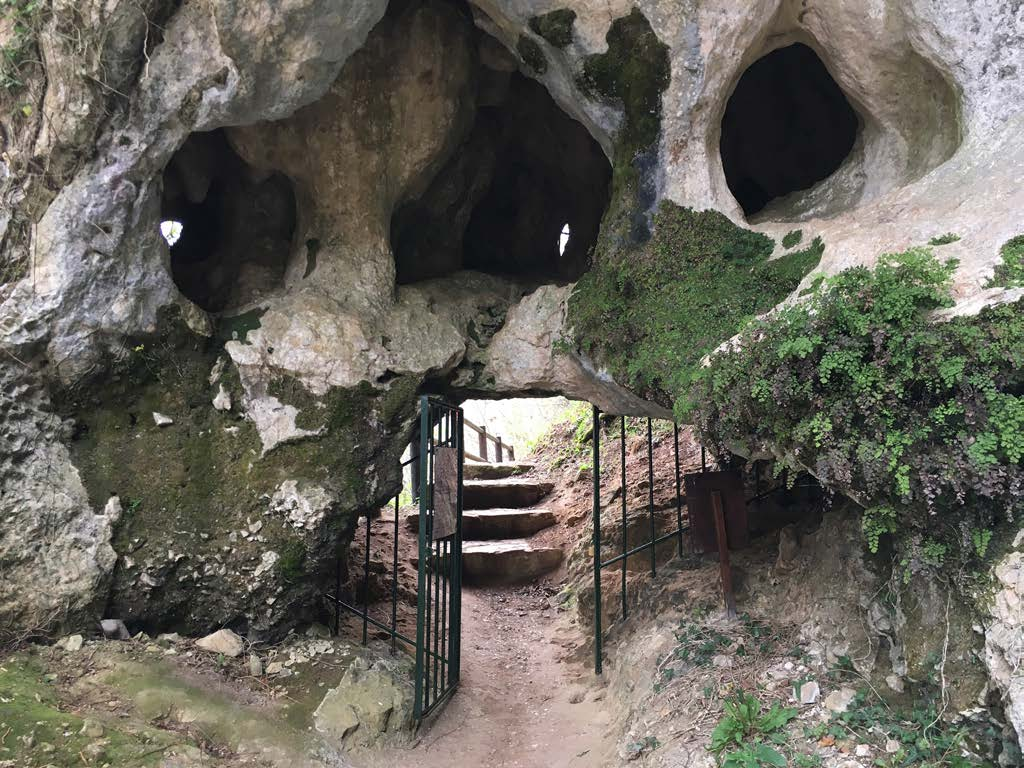
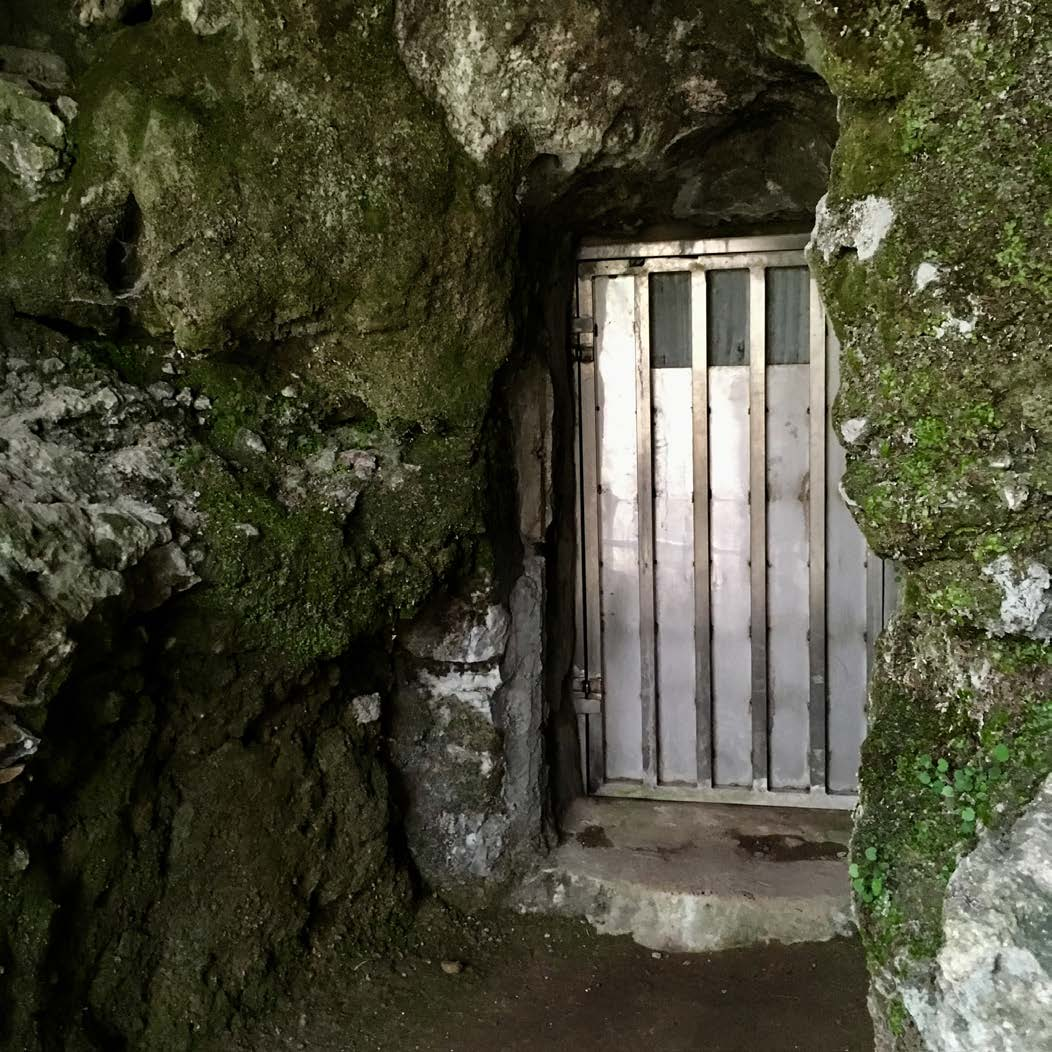
CAVE OF BUXU - CARDES, ASTURIAS, SPAIN
Best known for the engravings of deer, horses, ibex and bison. There are also some paintings and geometric patterns made using red ochre and charcoal.
CAVE OF TITO BUSTILLO - RIBADESELLA, ASTURIAS, SPAIN
Tito Bustillo is a large cave system well known for the only prehistoric image of a violet horse in the world. The cave has many areas that are not accessible to visitors where images of vulvas have been discovered as well as what appears to be a map of the area.
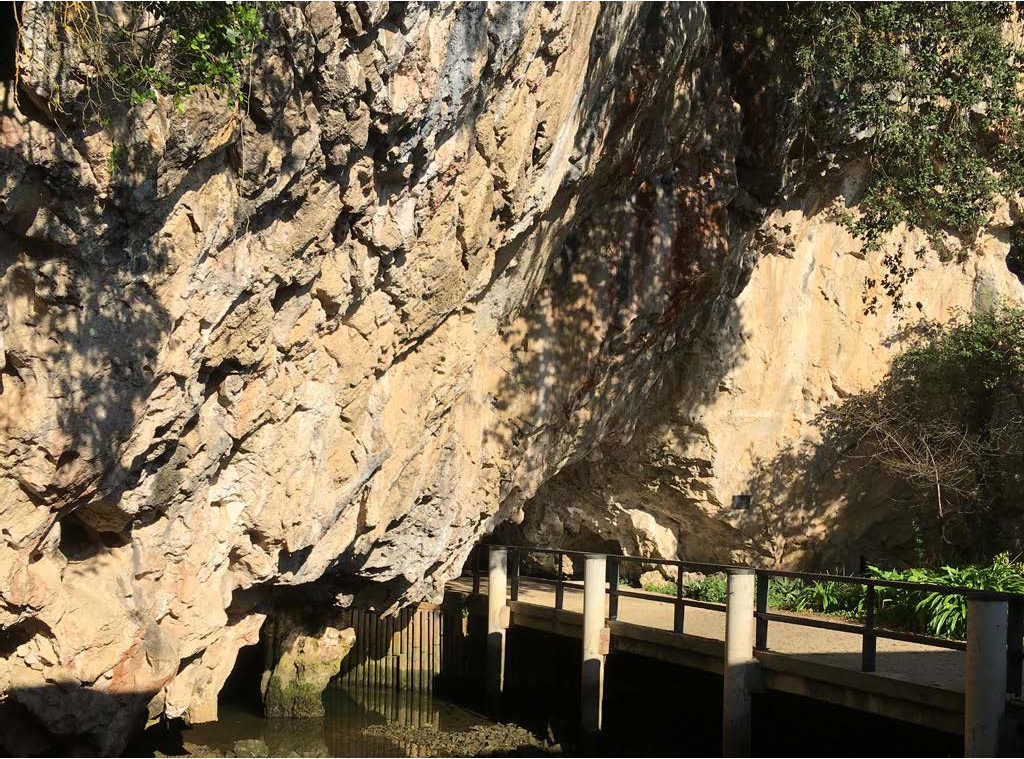
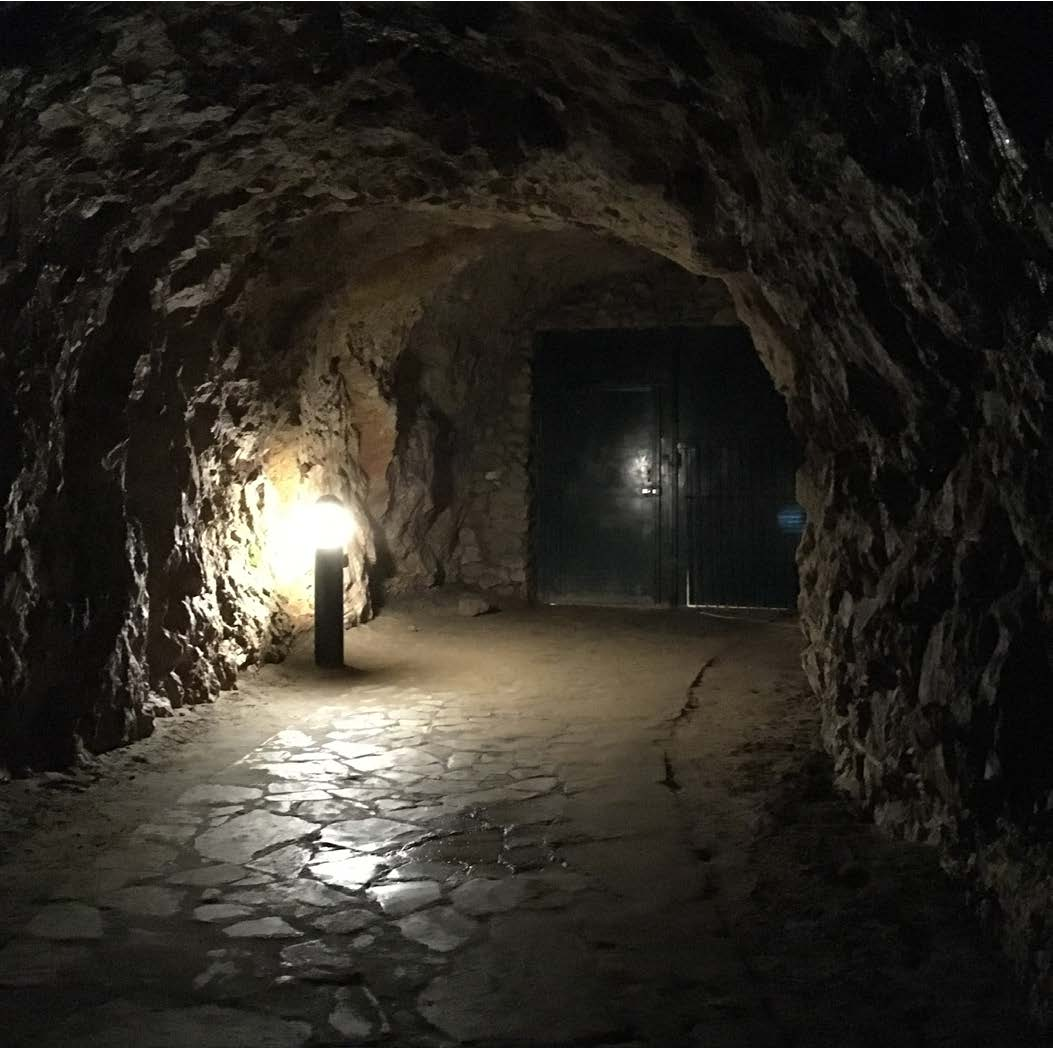

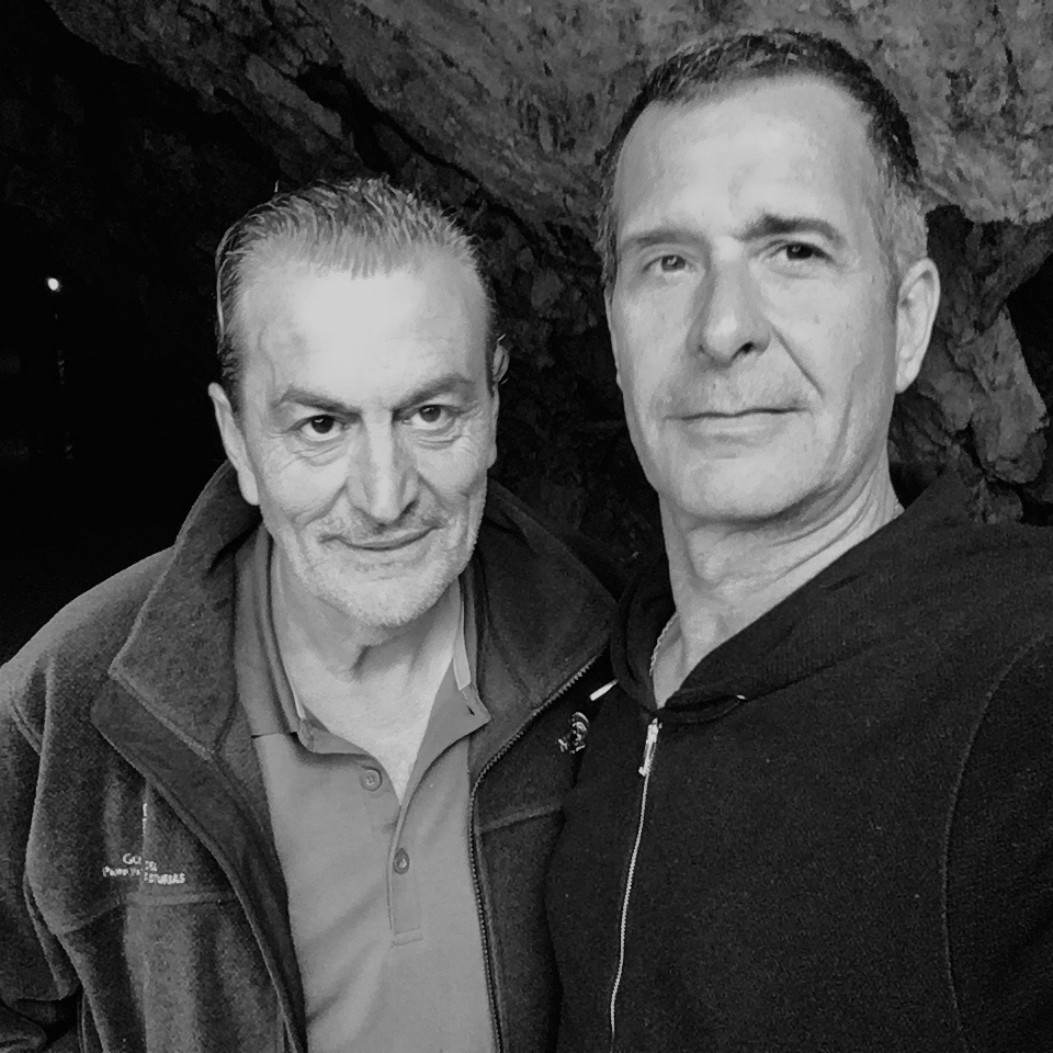
Aurelio Capin is the son of one of the individuals who discovered the artwork in the Tito Bustillo cave and is recognized as one the most formidable experts of prehistoric art in Asturias.
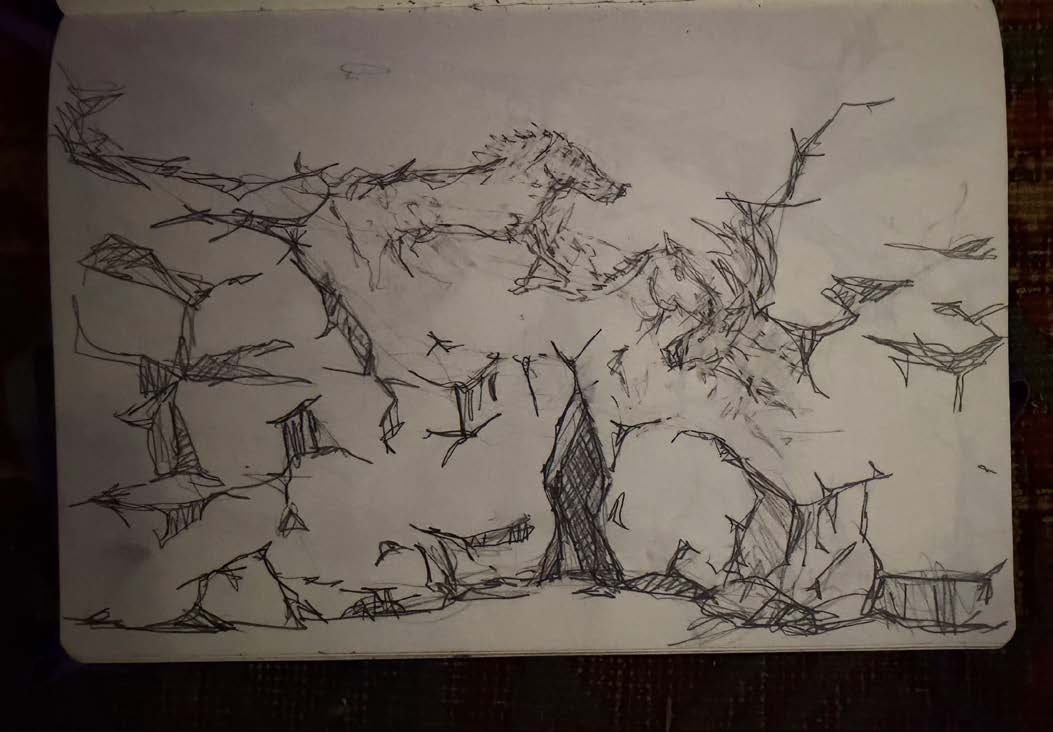
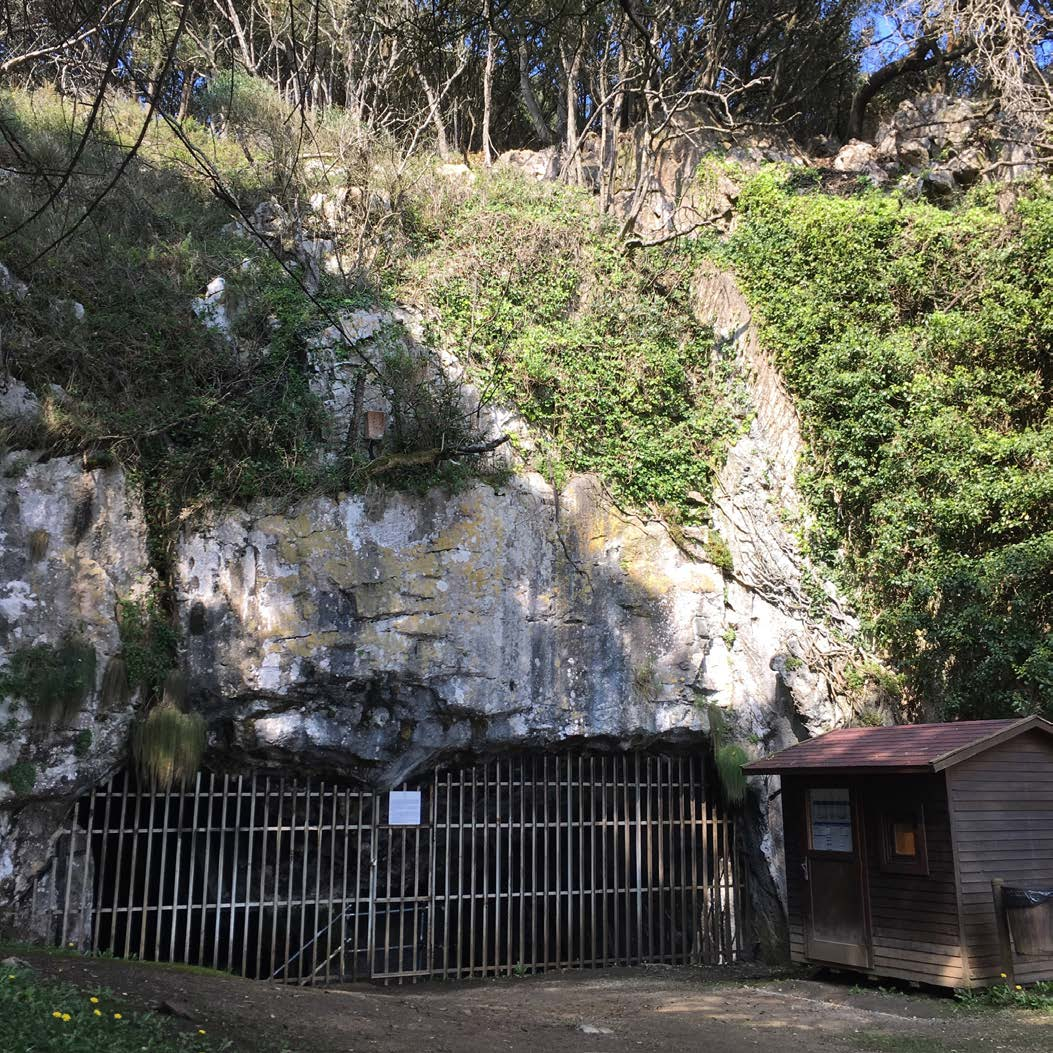
EL PINDAL, PIMIANGO, ASTURIAS, SPAIN
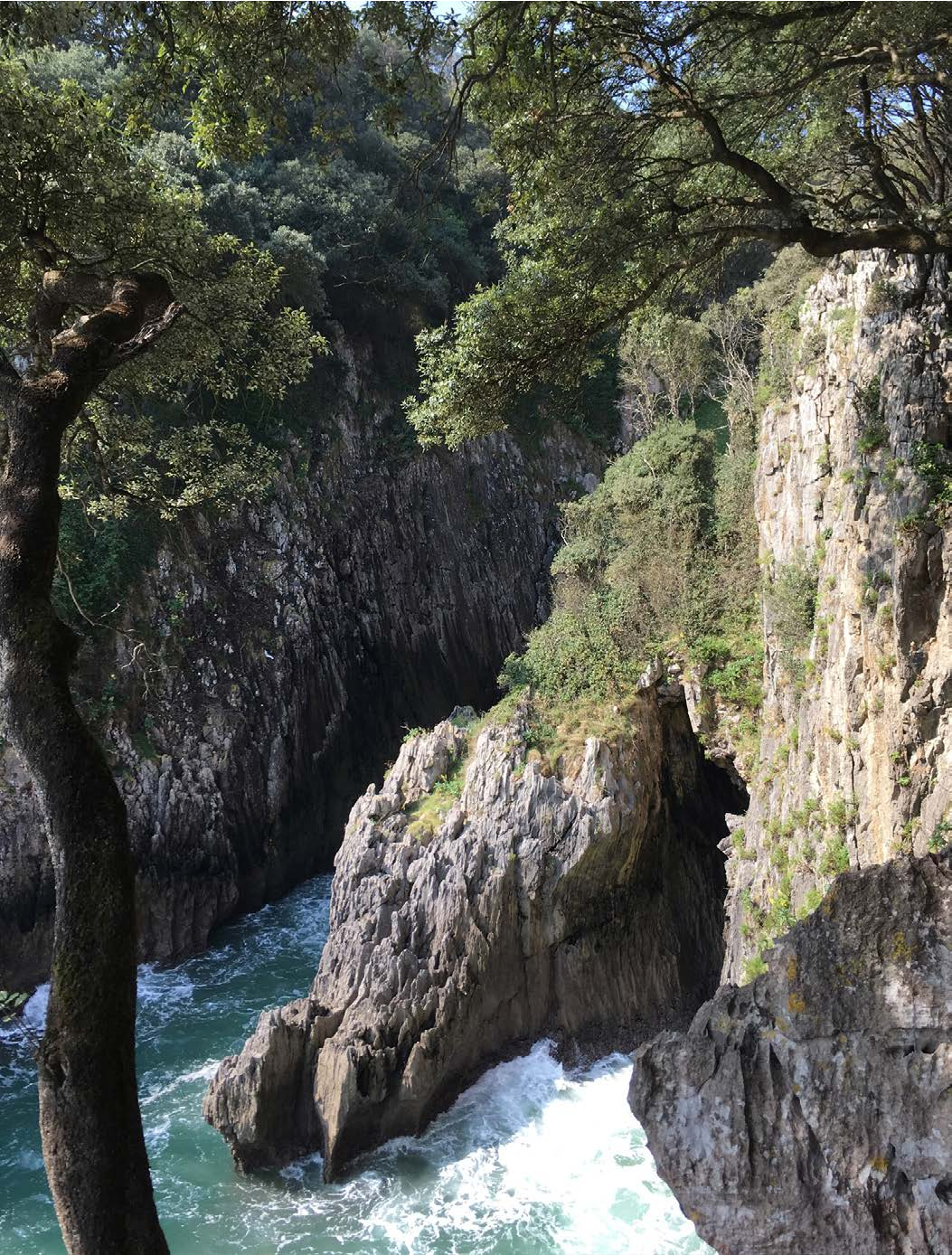
El Pindal is unique for having a depiction of a Mammoth as well as fish along the same panel. the dramatic location of the cave is a reminder that the shore line was once 3 kilometers further North during the ice age.
LA PENA DE CANDAMO - SAN ROMAN, ASTURIAS, SPAIN
The Peña de Candamo is the only cave in the world where the gift shop has existed since the cave was discovered by locals. This modest gift shop sells paraphernalia that is fifty years old regarding caves that are no longer open to the public. The gentlemen that own’s and operates the shop “Luis”, has been in and explored more than 50 caves with prehistoric art and is as knowledgeable as any PhD. in the world on the topic.
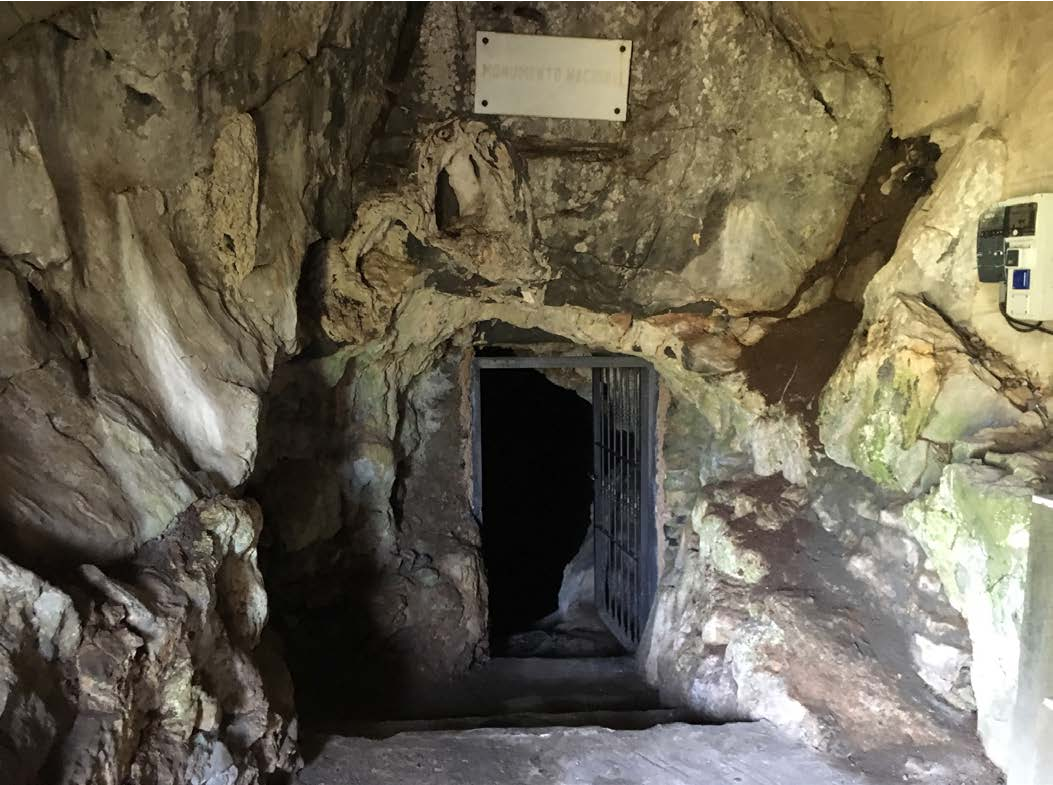
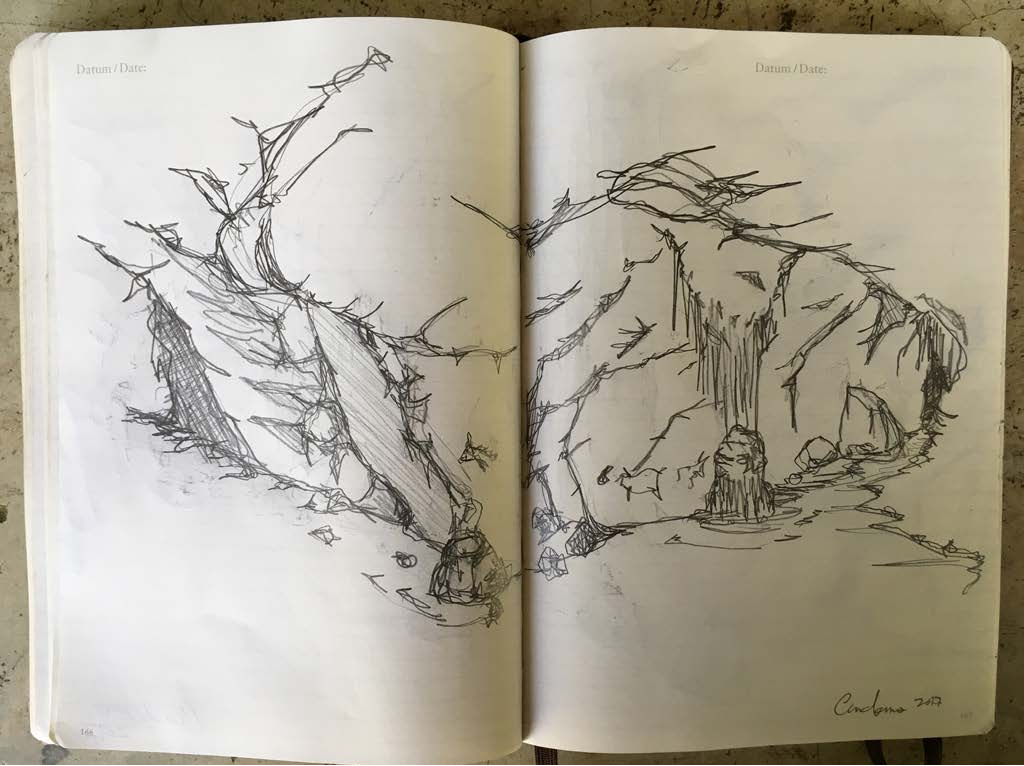
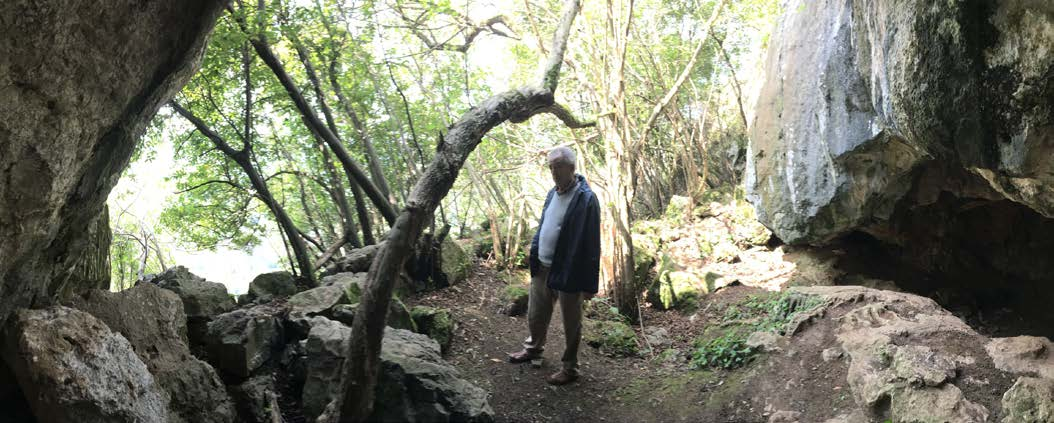
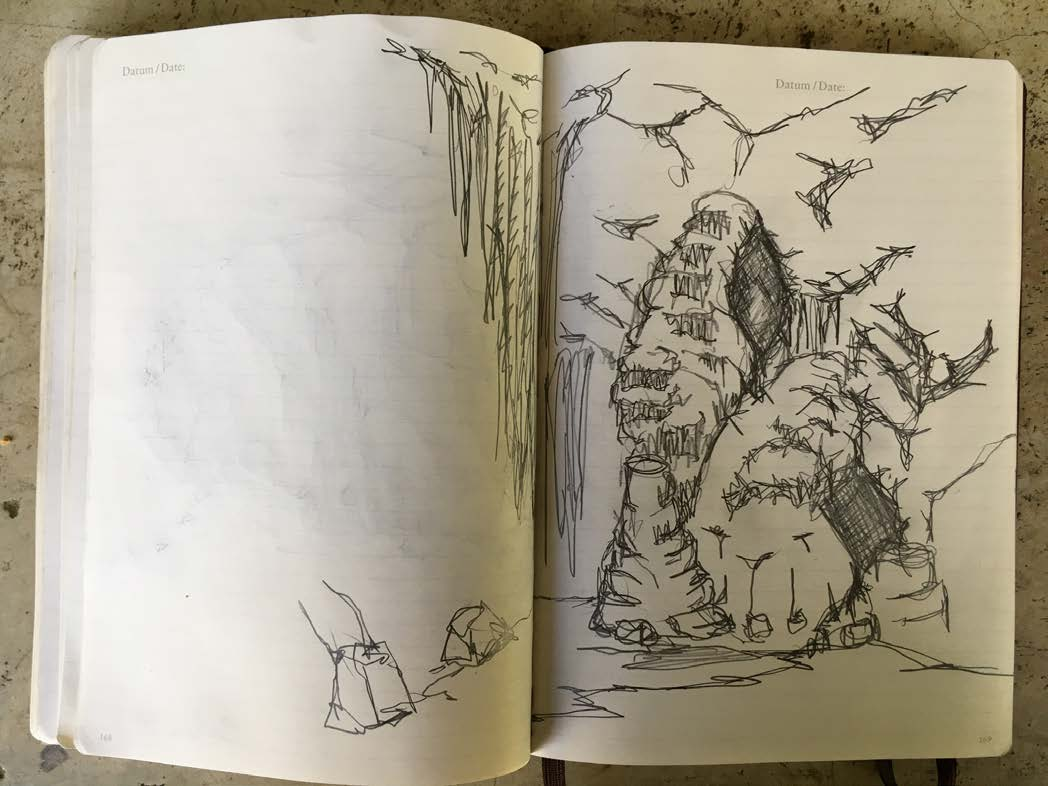
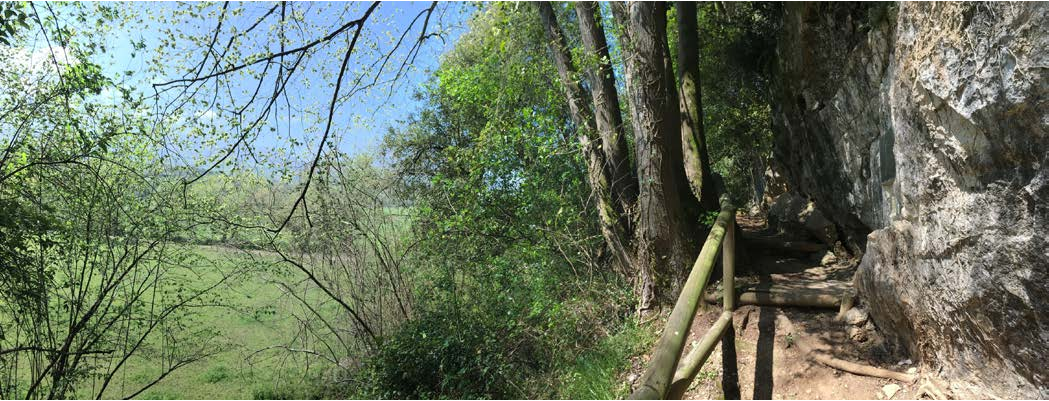
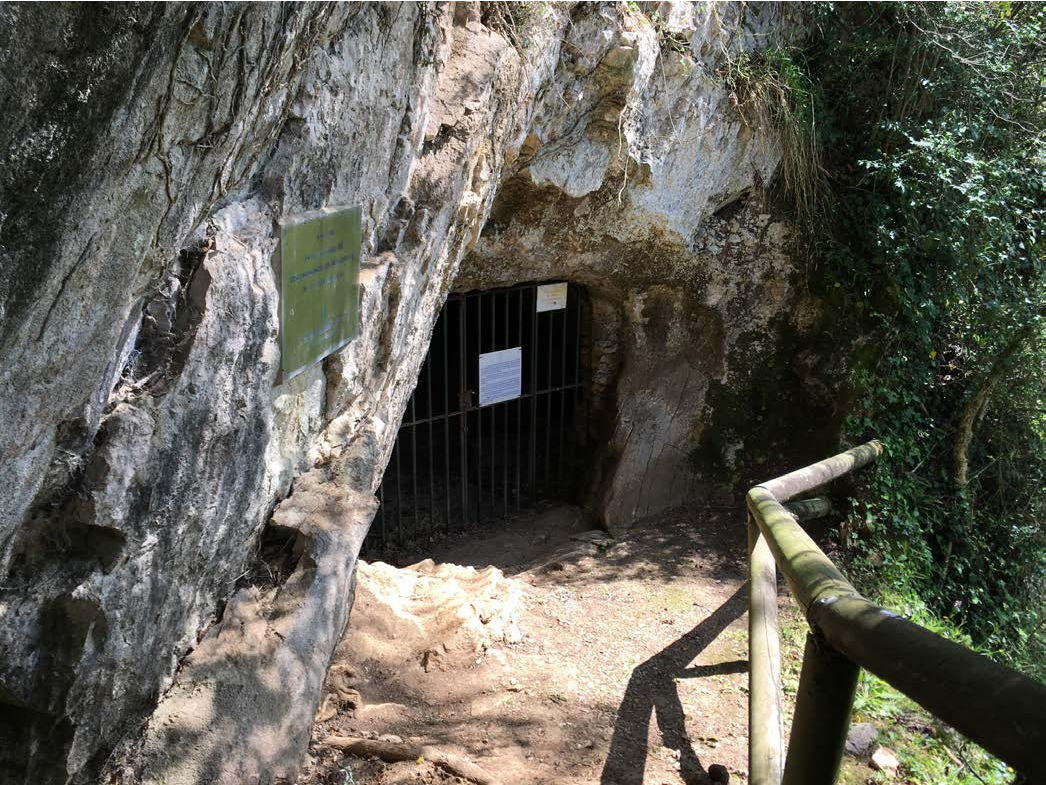
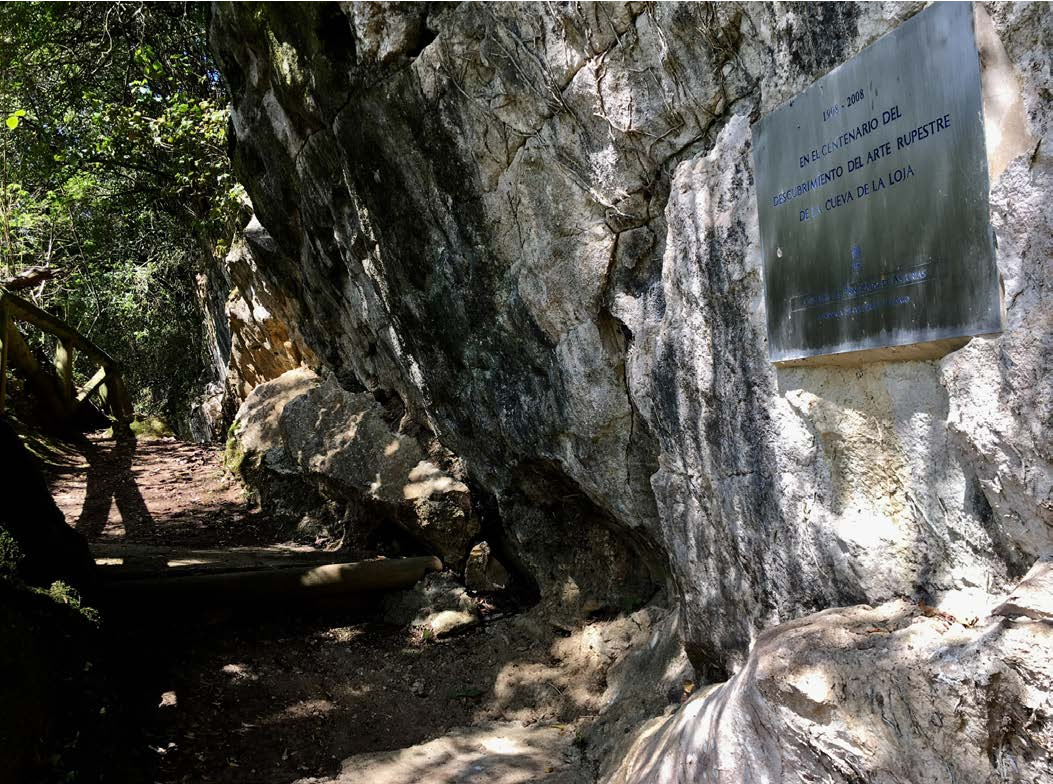
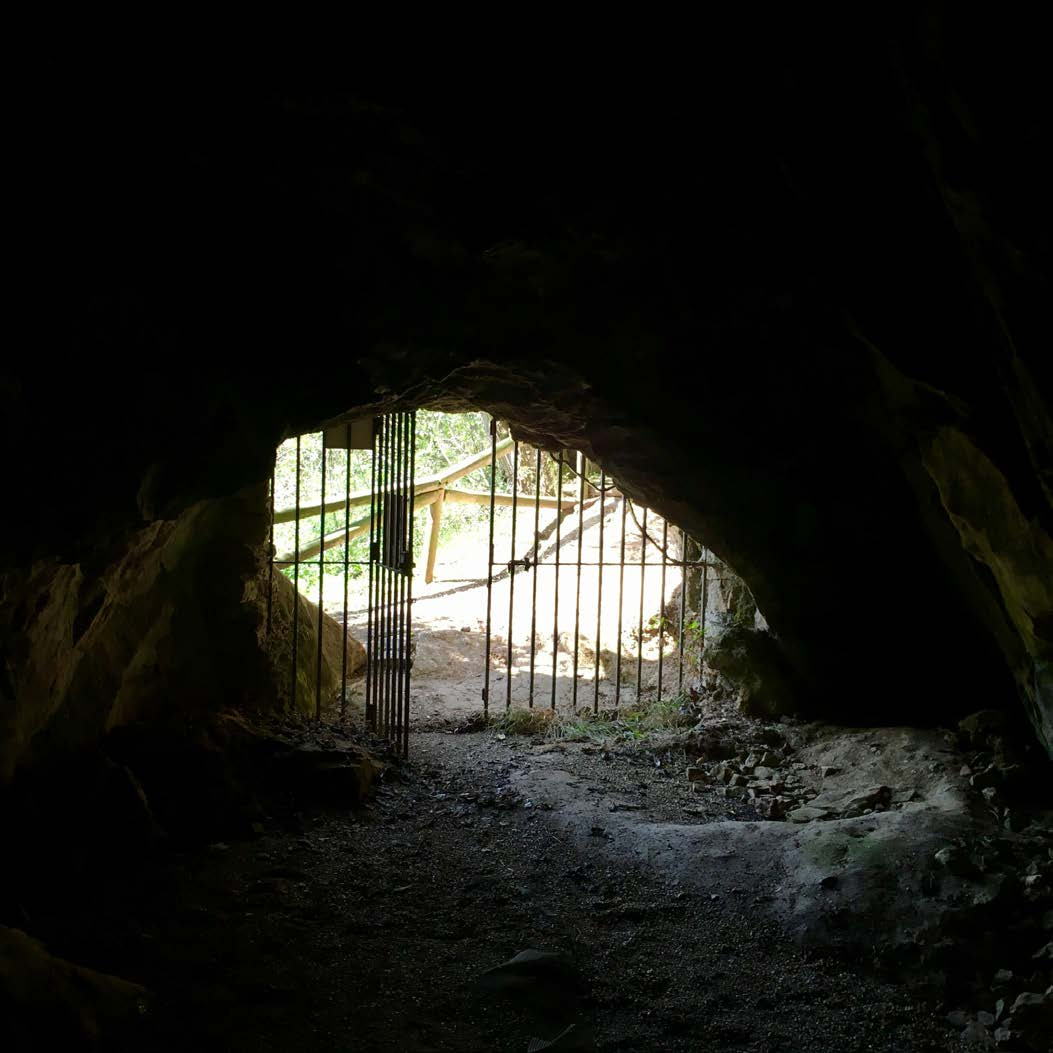
LA LOJA - EL MAZO, ASTURIAS, SPAIN
La Loja is a wonderful cave with limited accessibility and nestled away in an area that has little tourism. The paintings and engravings inside of La Loja are of Bovin and horses that reflect the context where they would have been easily hunted.
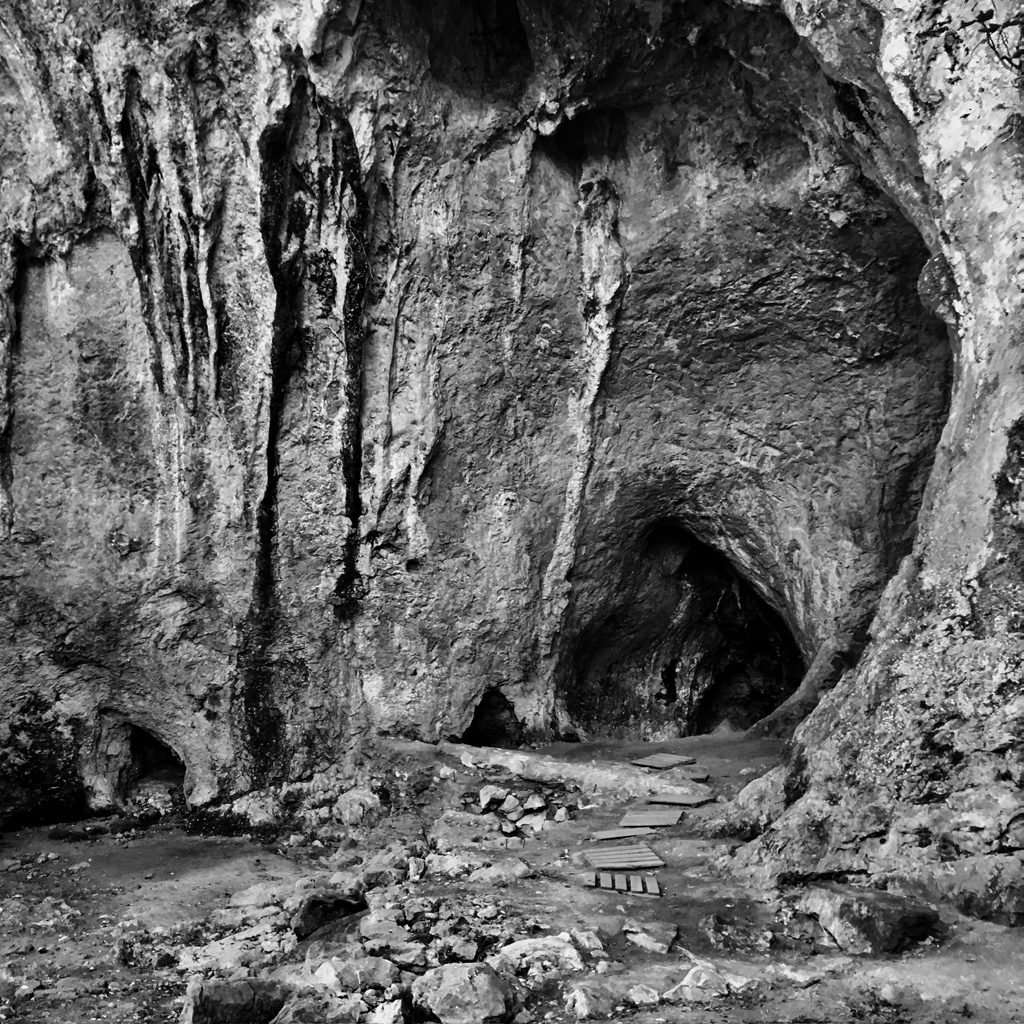
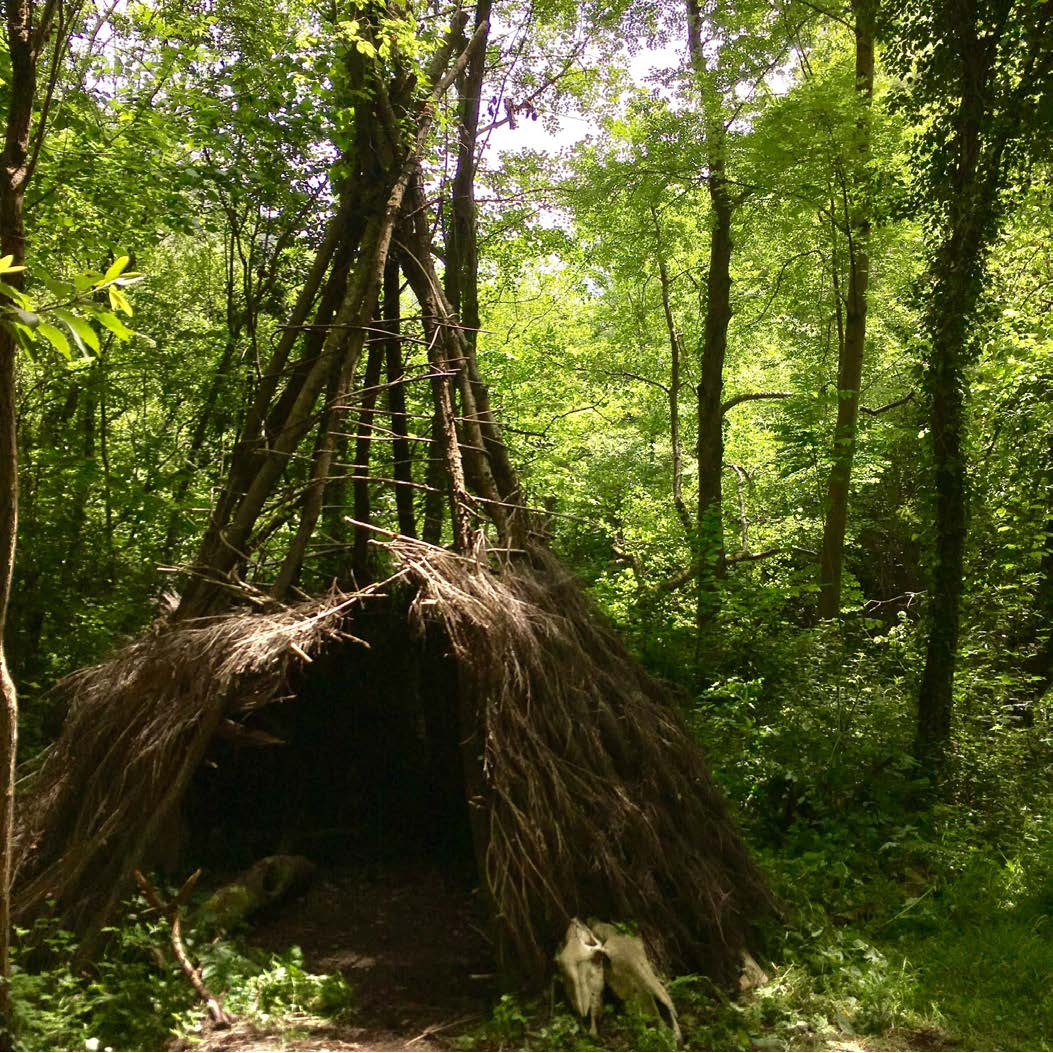
EL CONDE Y ABRIGO DE SANTO ADRIANO - NALON VALLEY, ASTURIAS, SPAIN
These two sites are managed by students who are enthusiastic and well in formed. The caves here are recognized by UNESCO and have excellent en gravings as well as a hut demonstrating how hunter gathers lived.
CANTABRIA
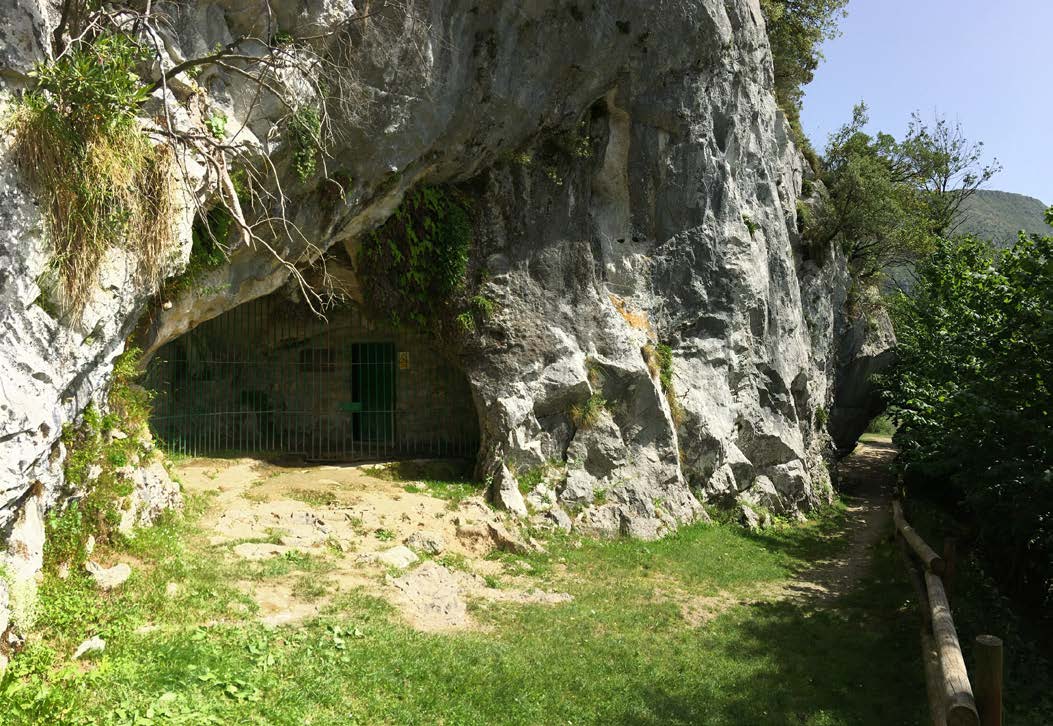
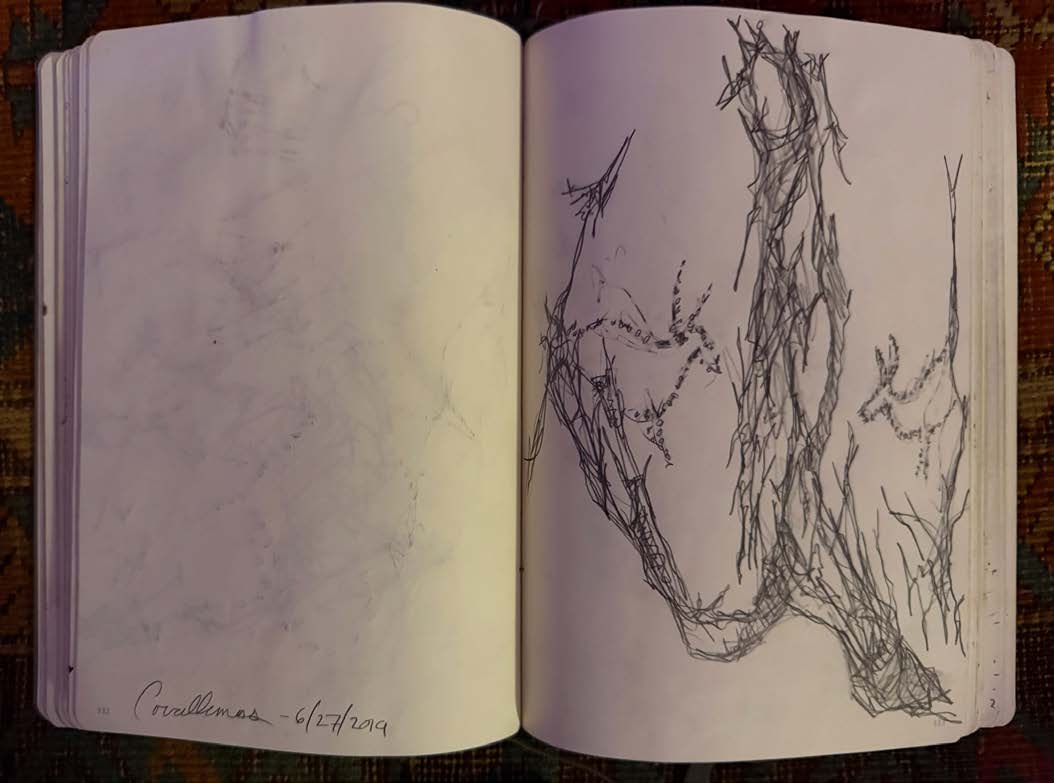
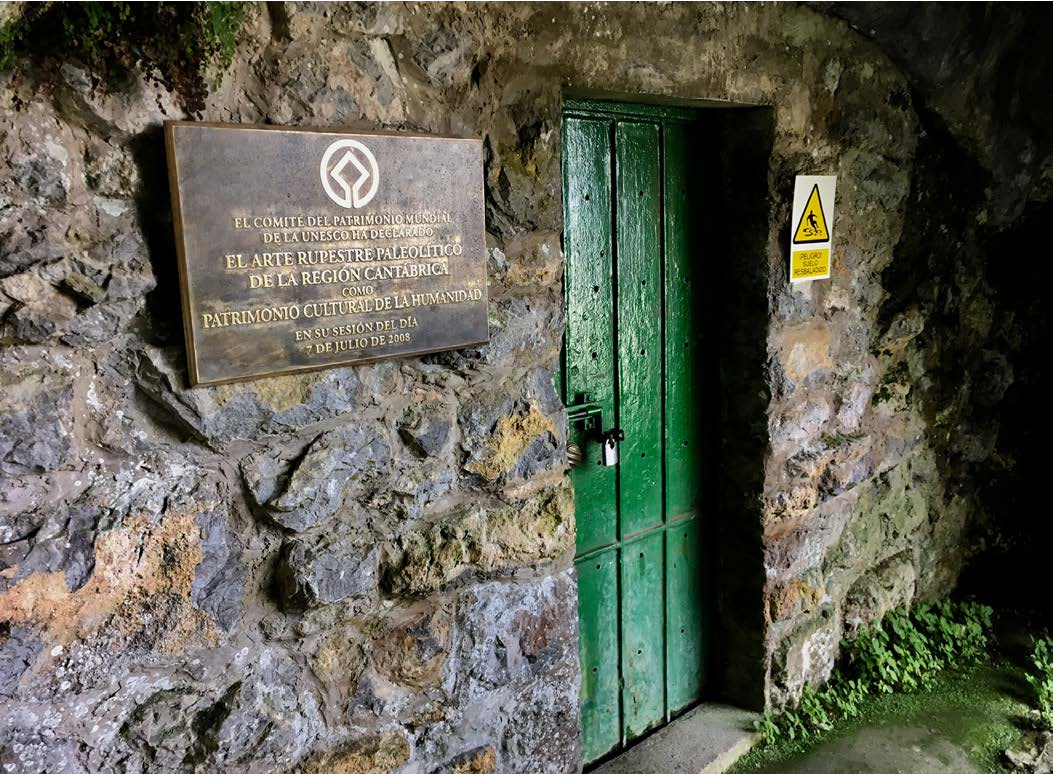
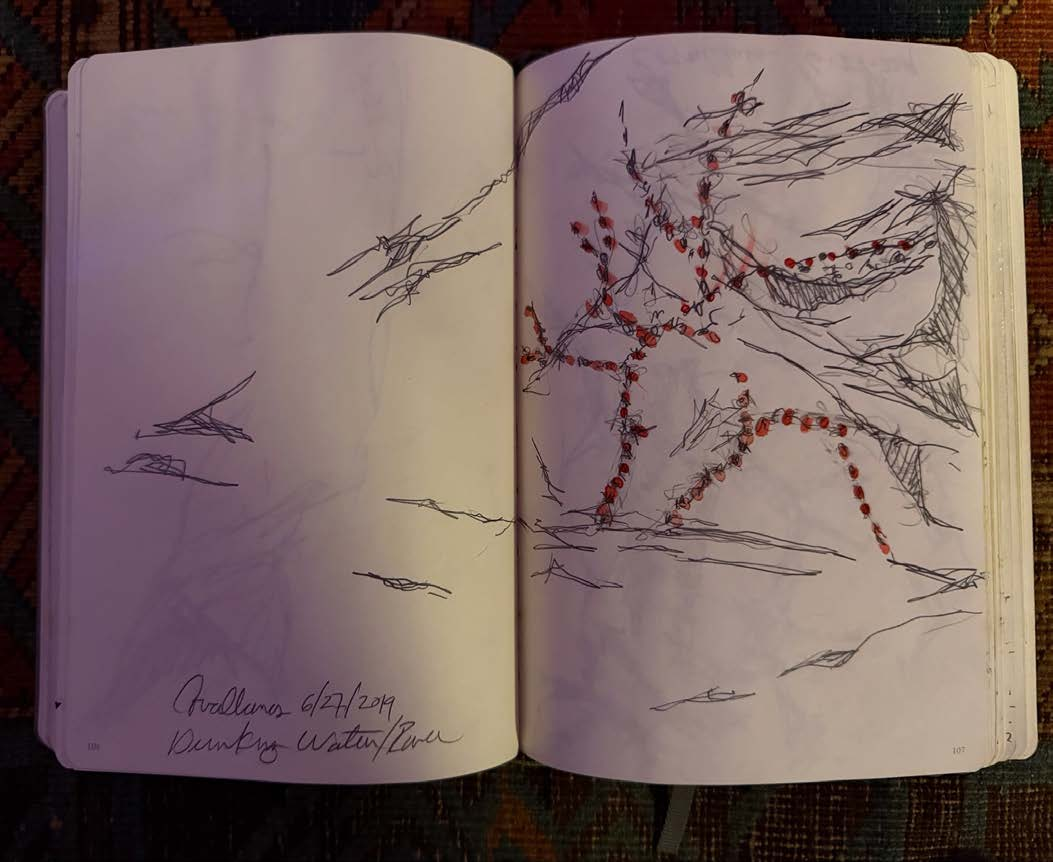
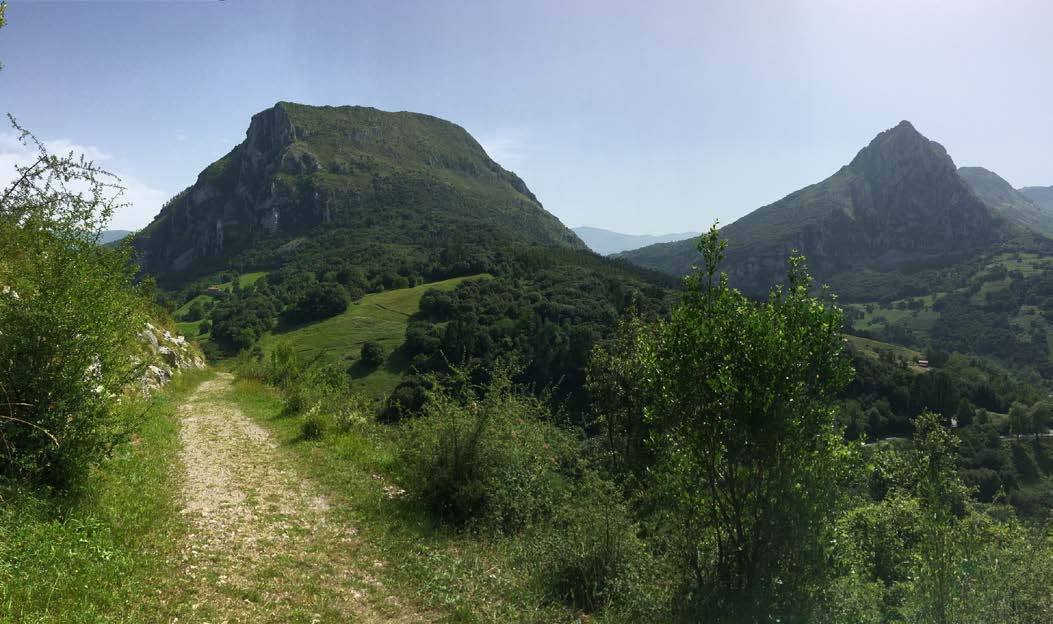
COVALANAS & CULLALVERA - RAMALES DE VICTORIA, CANTABRIA, SPAIN
Two caves with in two kilometers of each other. Covalanas is well known for several red deer and one anthropomorphic figure. Anthropomorphic figures are made of hybrid animals and humans and are often believed to be referencing Shaman’s.
Cullalvera has a massive opening and the cave system has limited access for the prehistoric art works.
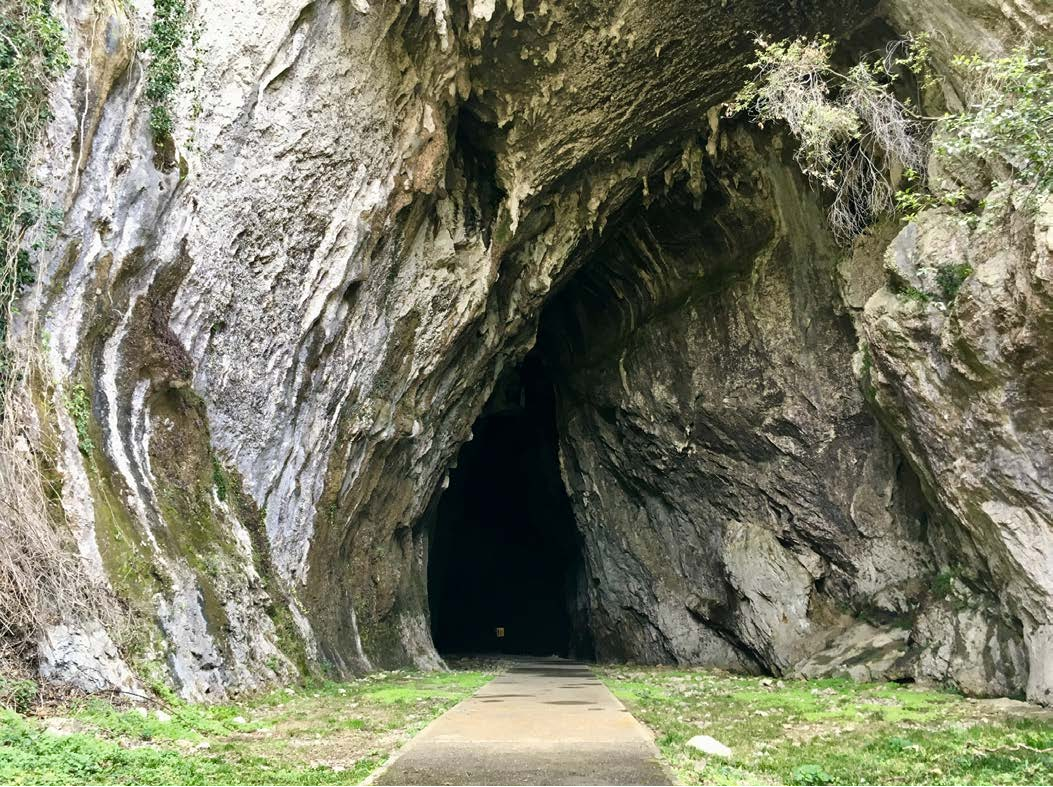
EL CHUFIN - RIONANSA, CANTANBRIA, SPAIN
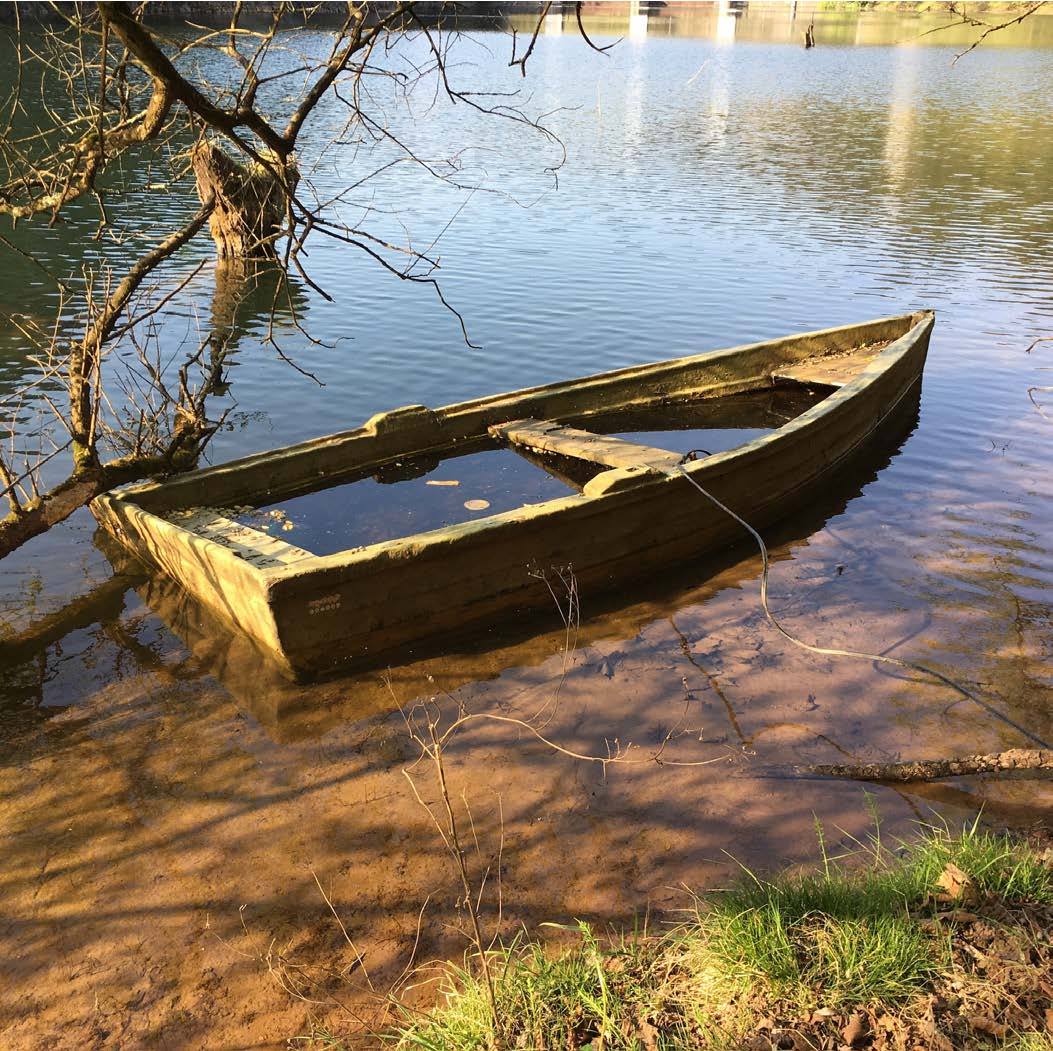
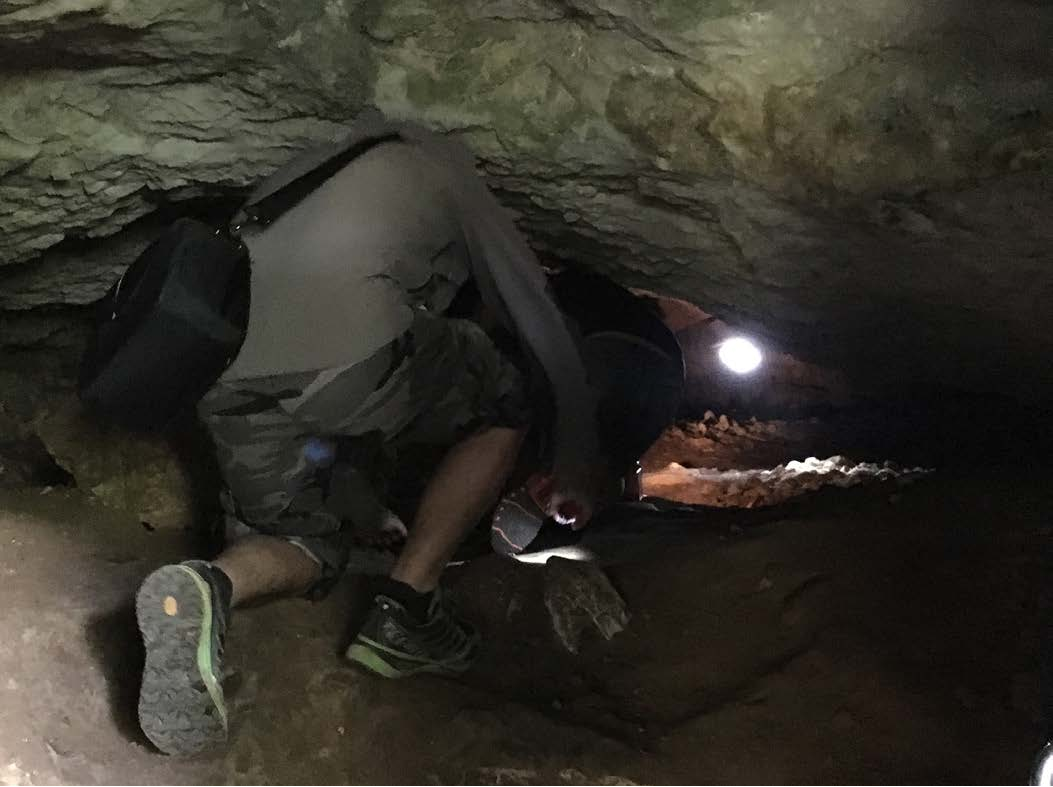
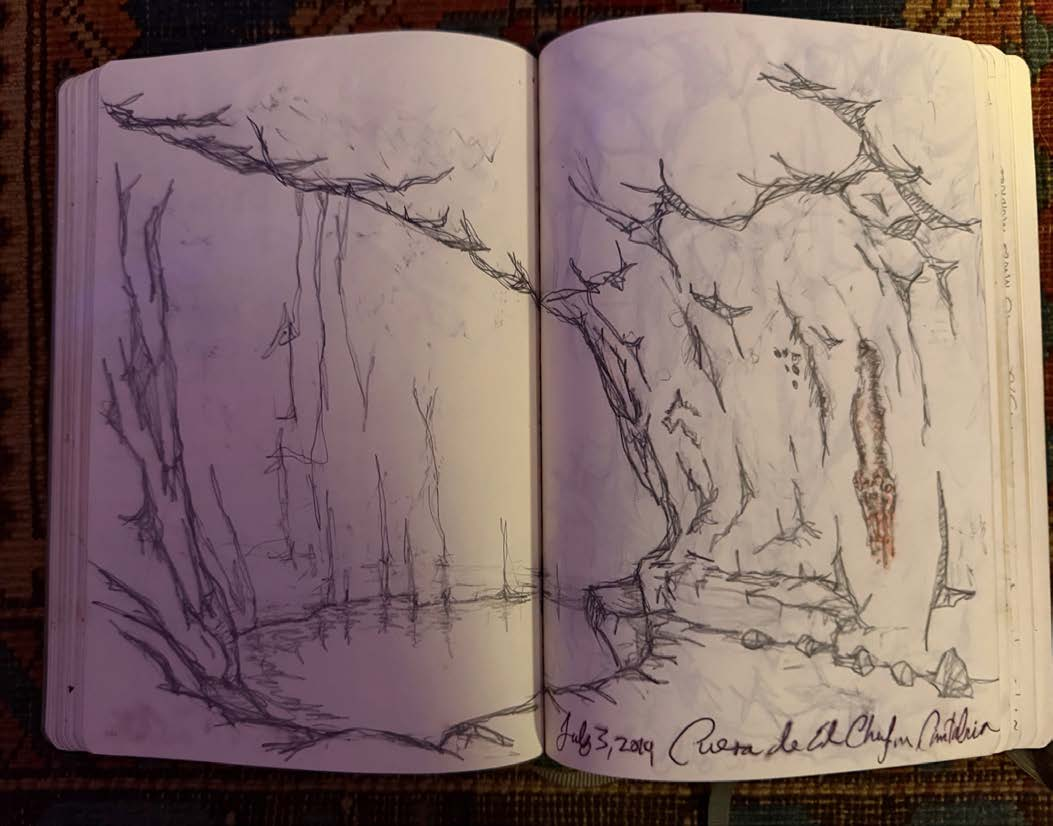
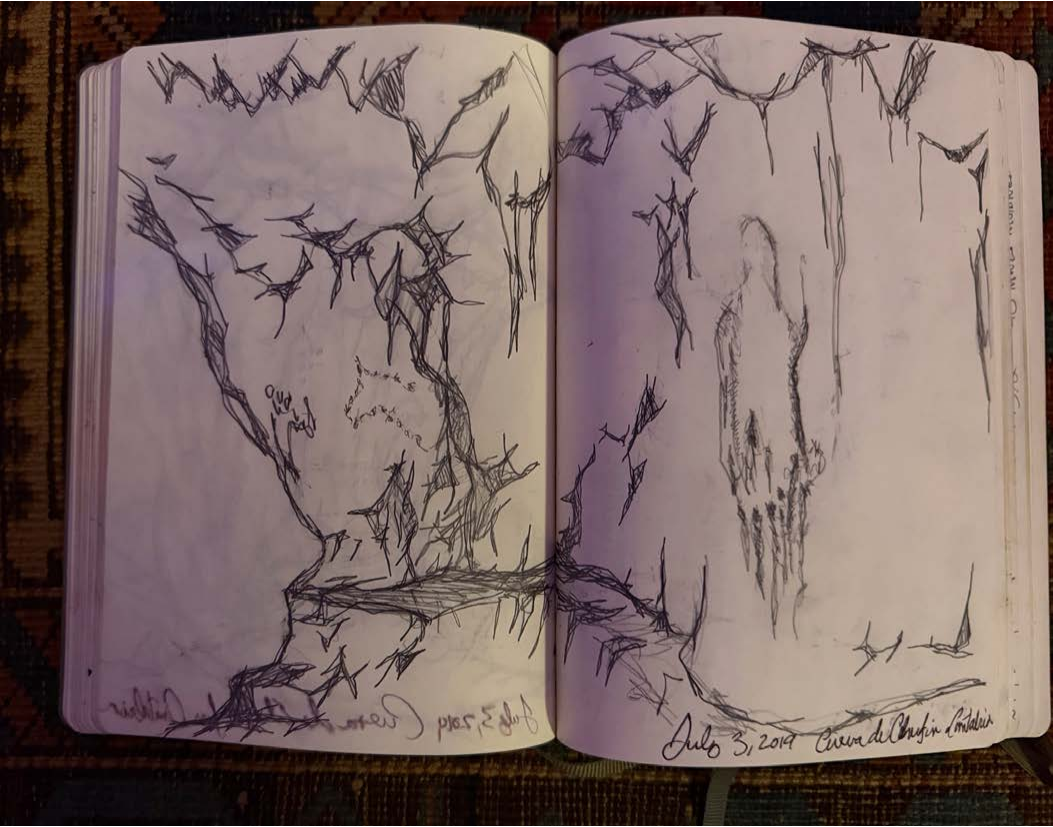
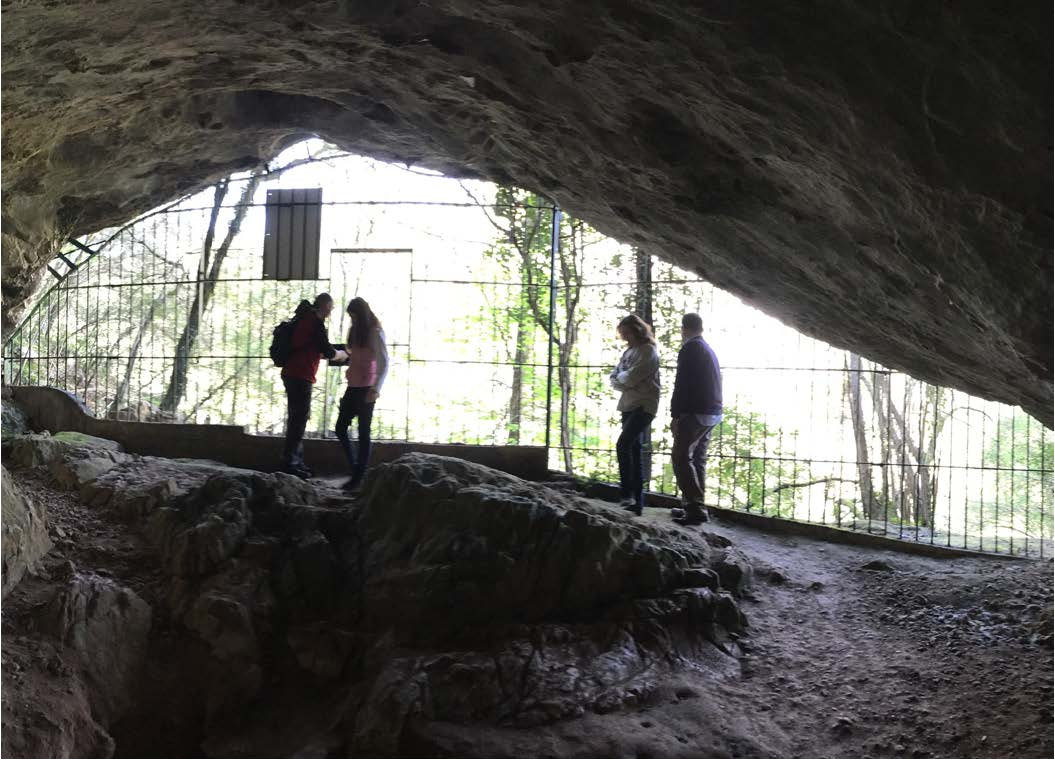
El Chufin was once only accessible by boat. Today the cave is accessible by land and has a very small opening to upon entering the cave. The interior of the cave has a cenote of crystal-clear water and unique figure may be a female figure that is menstruating.
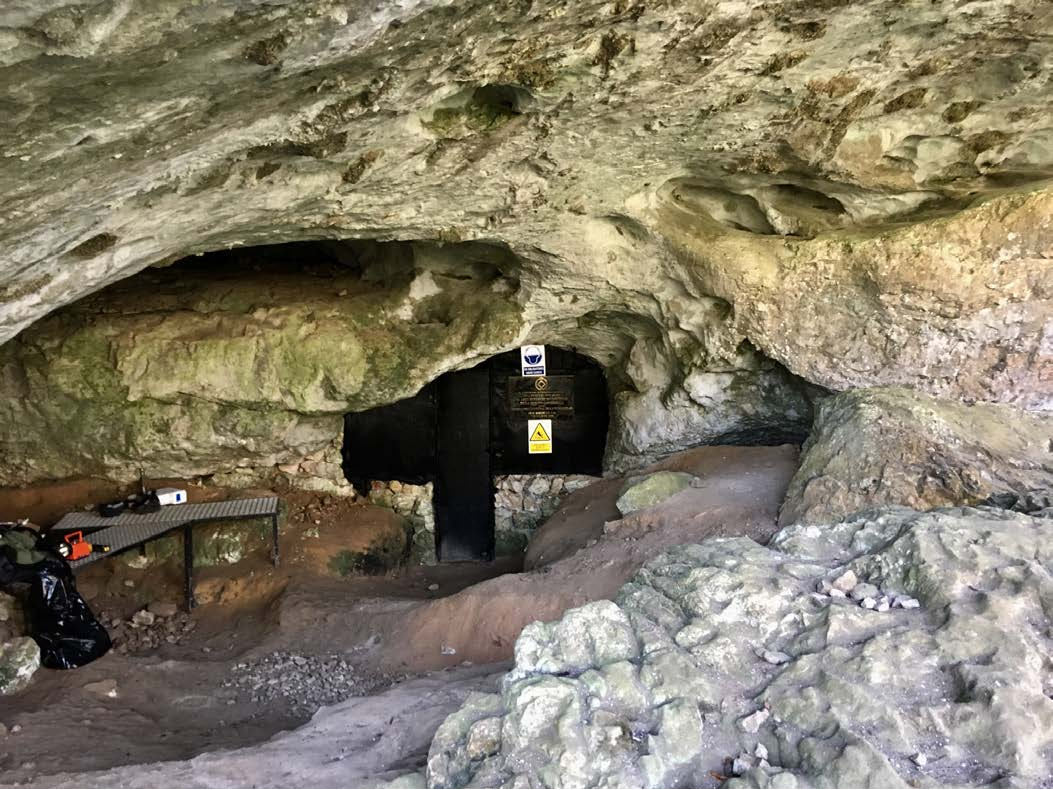
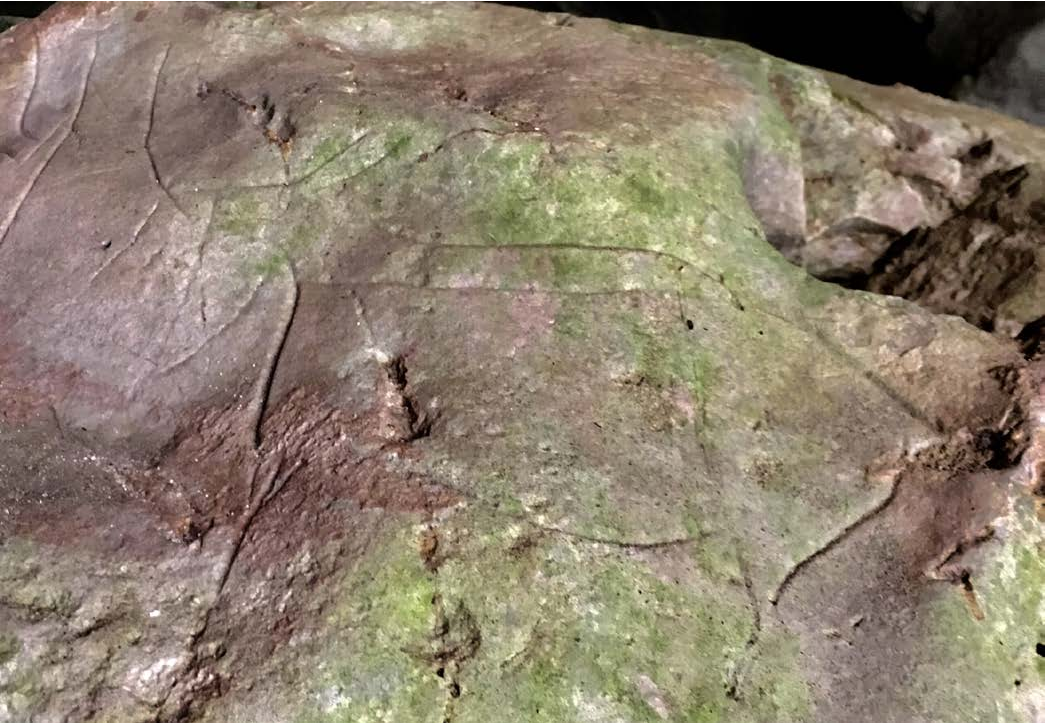
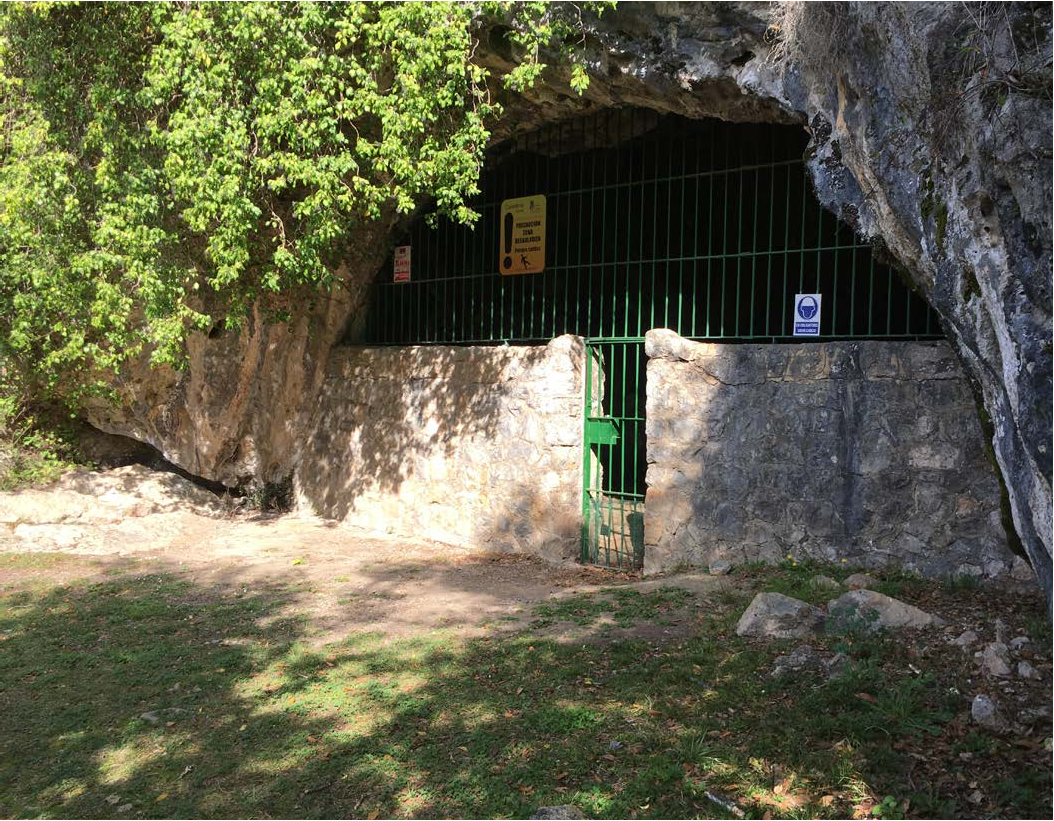
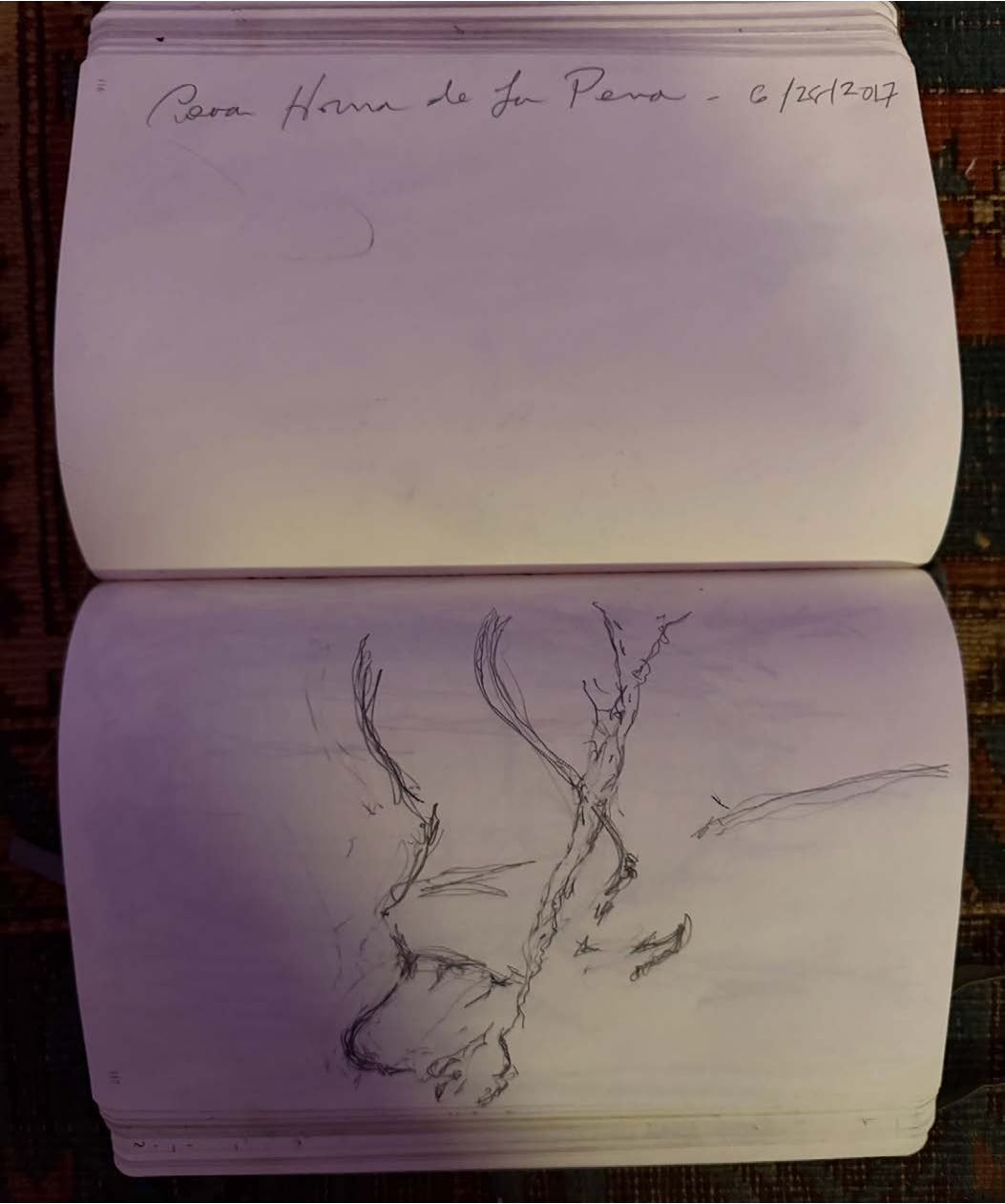
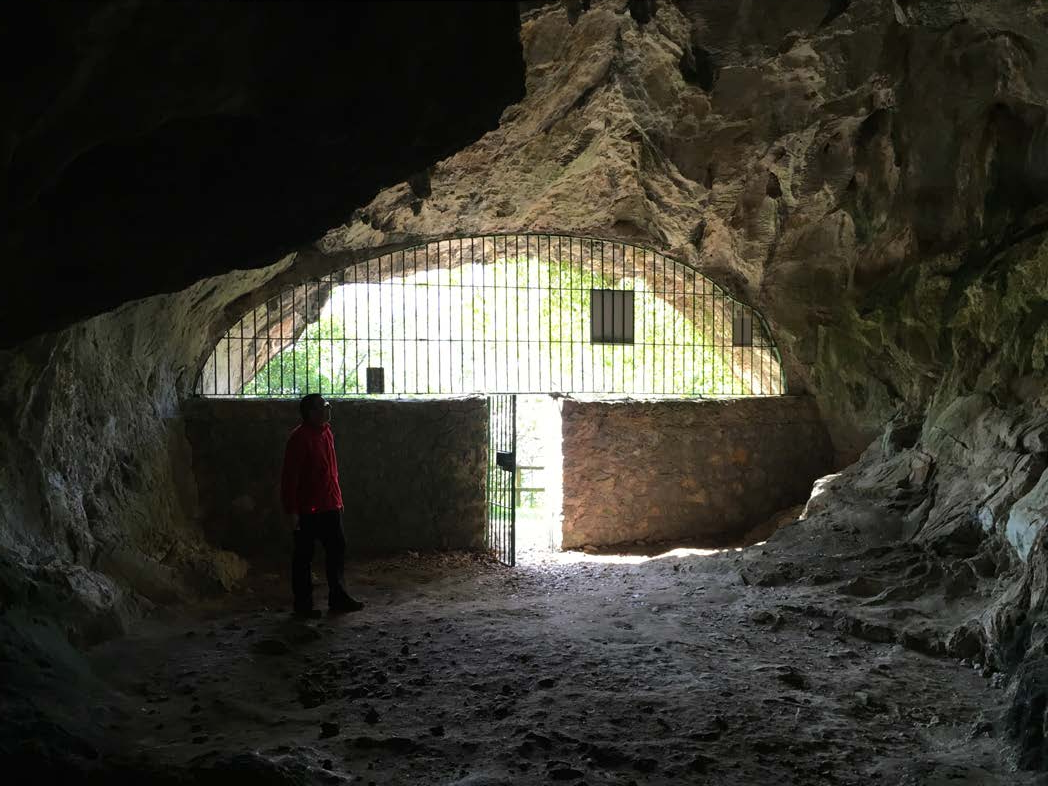
HORNOS DE LA PENA - SAN FELICES DE BUELNA, CANTANBRIA, SPAIN
Hornos de la Peña is an UNESCO site and well known for the various detailed engravings. I drew an uncommon image of a bovine who appears to be sticking out his tongue.
EL PENDO - ESCOBEDO, CANTANBRIA, SPAIN
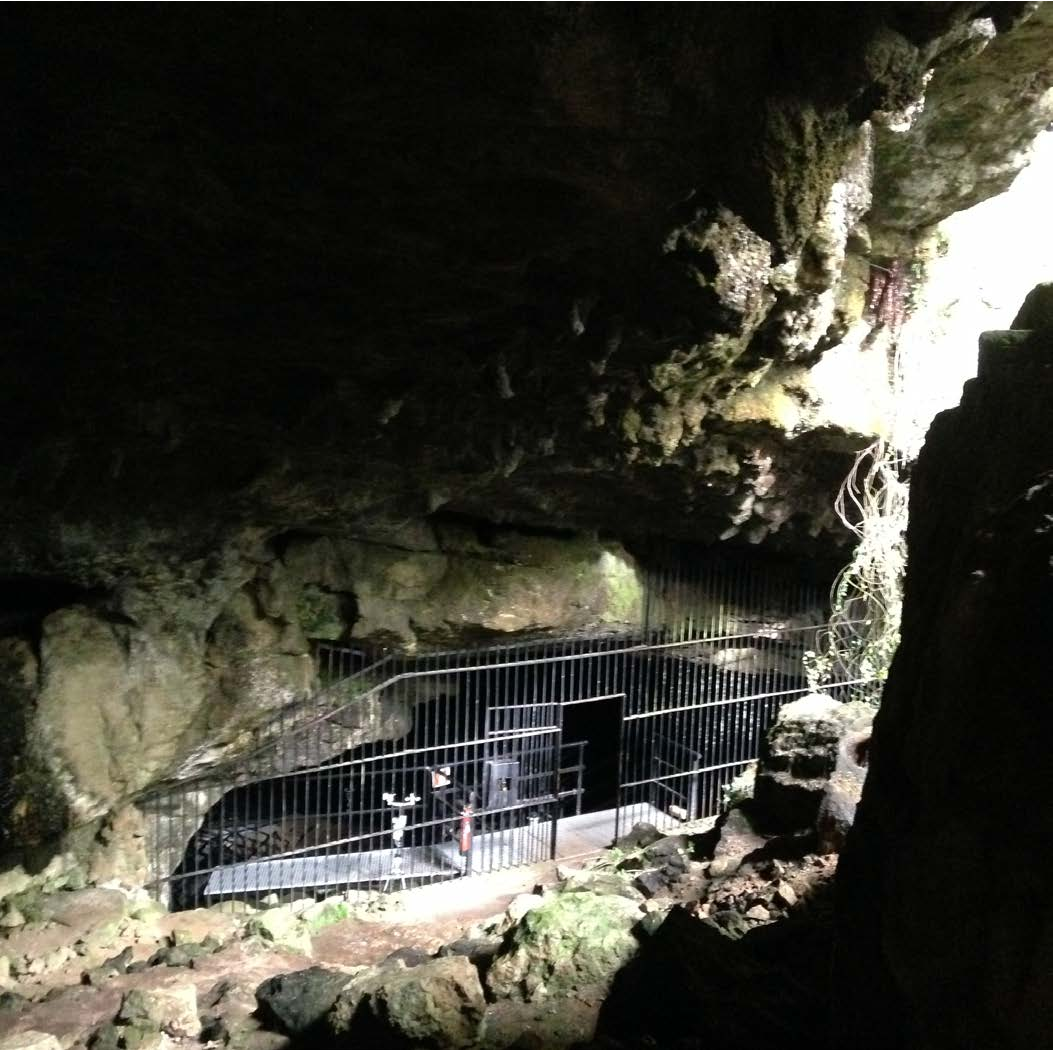
El Pendo is also an UNESCO World Heritage site and is well known for the large panel of drawings near the entrance of the cave.

MONTE CASTILLO - PUENTE VIESGO, CANTABRIA, SPAIN
El Castillo / Las Monedas / Las Chimeneas / Cueva de la Pasiega
The Monte Castillo mountain has four caves with prehistoric art, I have been fortunate enough to have visited them all.
- El Castillo has images that have dated as far back as 40,000 B.C. and has over 150 paintings as well as a sculptural work.
- Las Monedas is well known for the stalactites that are believed to have been used to create music over ten thousand years ago.
- Las Chimeneas is a very unique cave that only visible with flash lights and the artworks are found in a grotto area over one hun dred feet downward amongst a very complex cave system.
- La Pasiega is the most impressive cave with art I have ever seen with well over 300 images and depicting animals that have long been extinct.
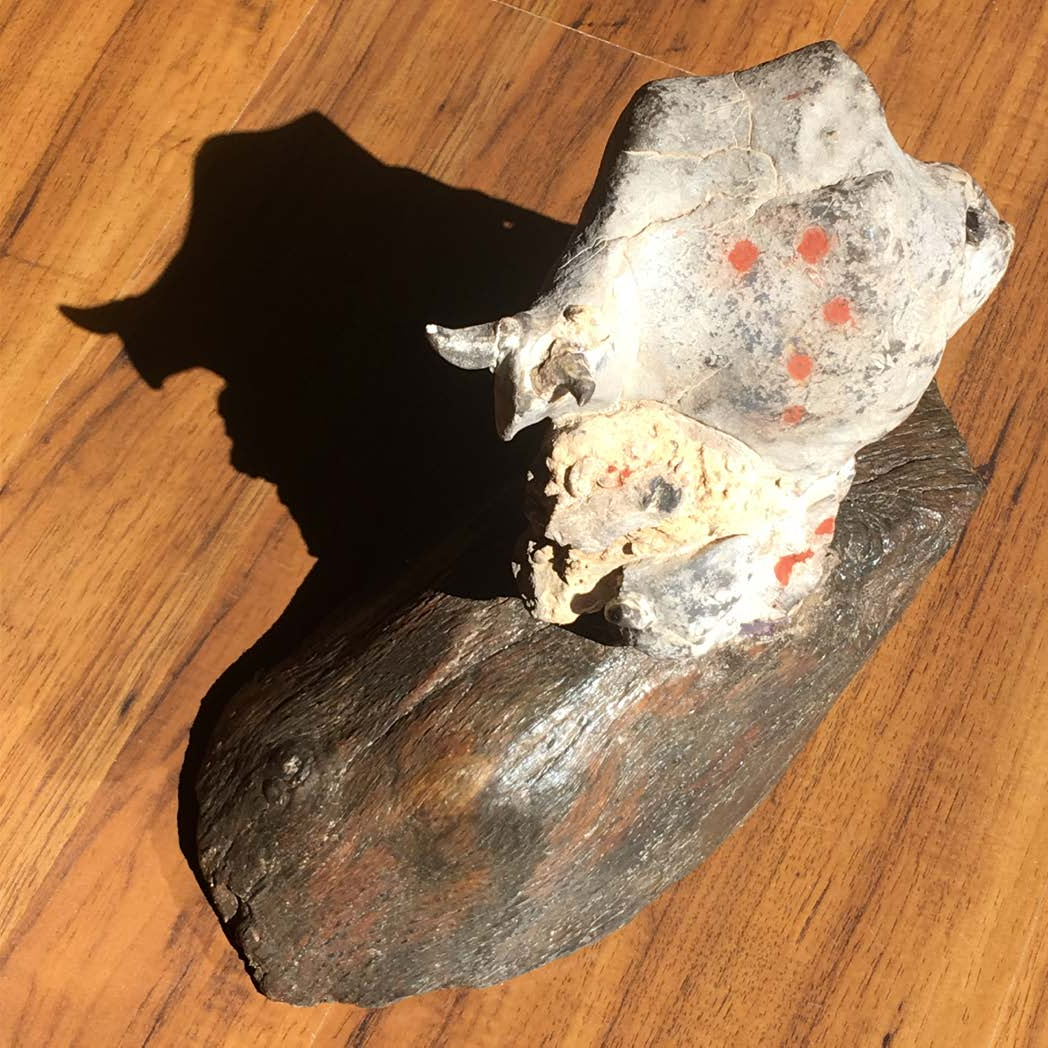
A sculpture based on an artwork inside of El Castillo of a Bison sitting atop of a rock. The art work is by Ludovico Rodriguez who is a world reknown expert in prehistoric art and tools and how they are reproduced.