Pax-Americana
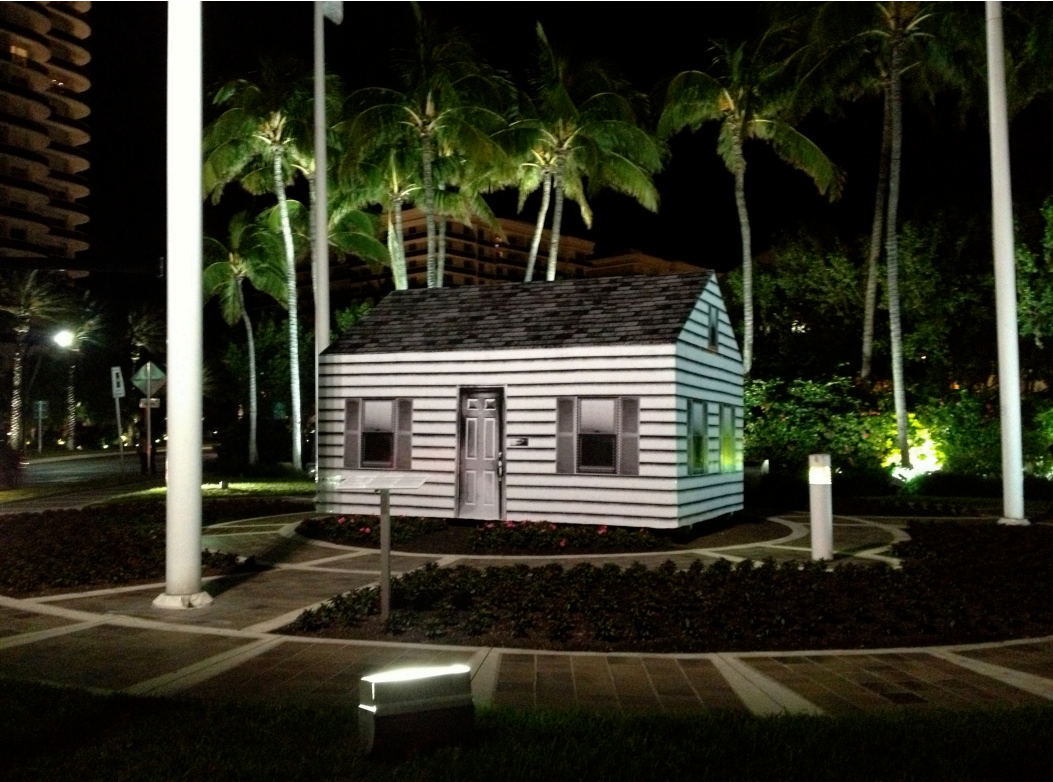
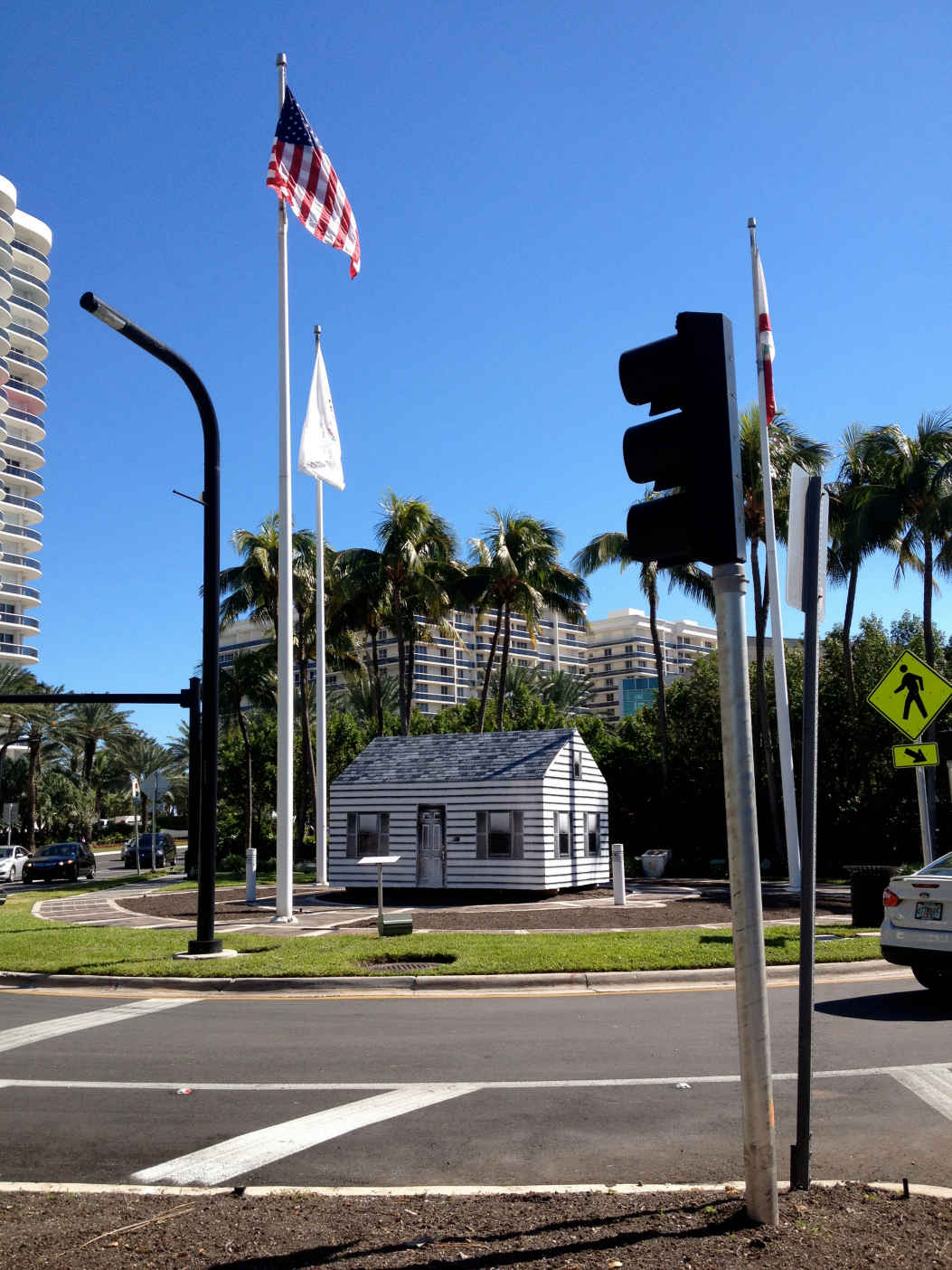
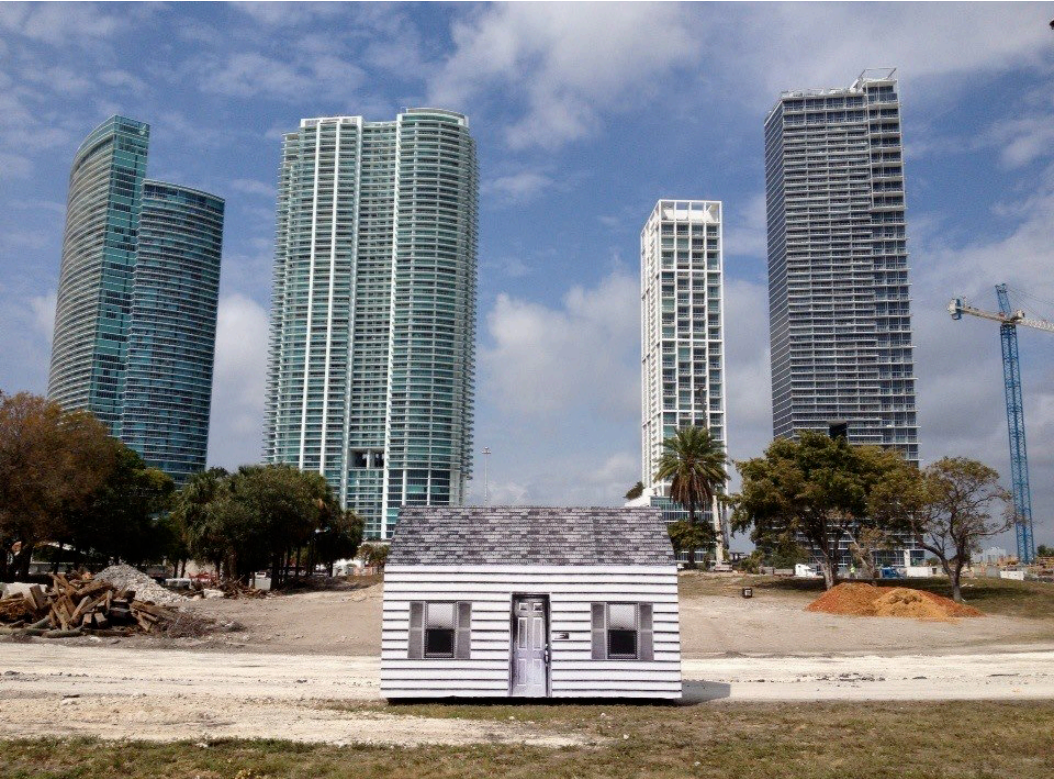
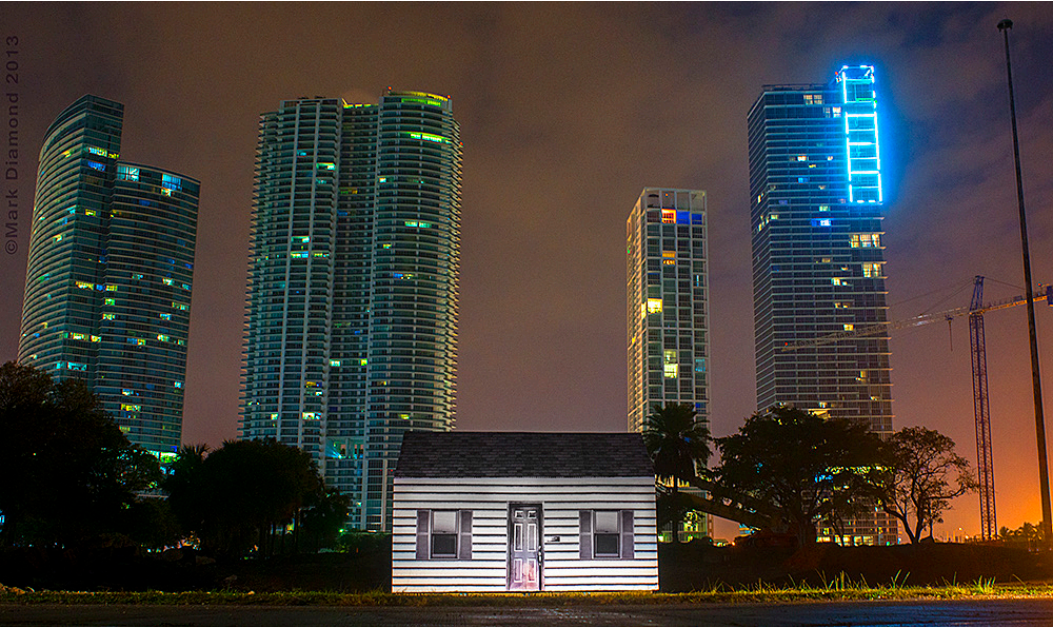
Bal Harbour Village and Levittown, New York were incorporated within a year of one another in 1946 and 1947, marking the beginning of a post‑war transformation that reshaped the American landscape and gave rise to the modern suburb. The sculpture of the "American house" drew directly from this history. Although three‑dimensional in form, its windows, doors, and siding were illusions—digitally imposed facsimiles evoking the iconic Cape Cod model home of Levittown, widely regarded as the nation's first planned suburban community.
In contrast, the accompanying Americana sign was fabricated from mirror‑finished stainless steel and installed at the entrance of the St. Regis Bal Harbour Resort and Spa, which stands where the Americana Hotel once rose—a landmark designed by Morris Lapidus. Lapidus, whose work helped brand Miami Beach as the "American Riviera," also created the Fontainebleau Hotel, the Eden Roc Resort, and the Lincoln Road Mall.
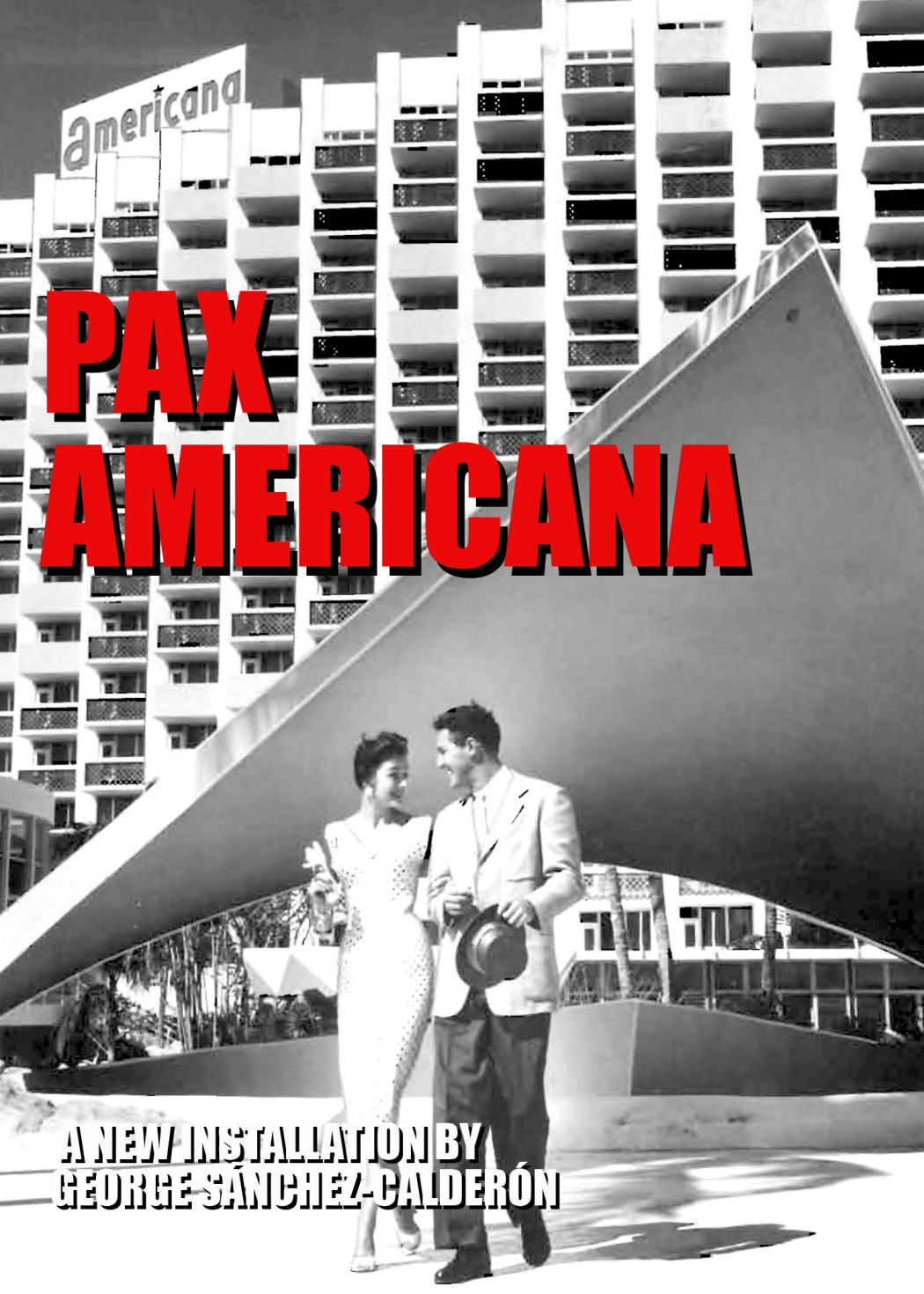
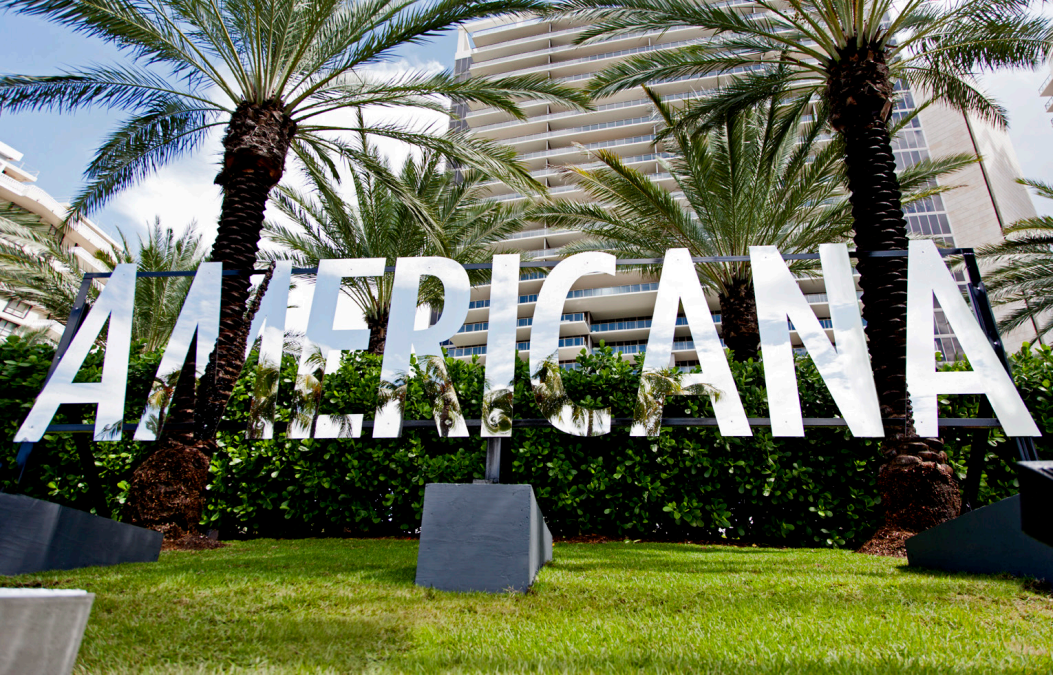
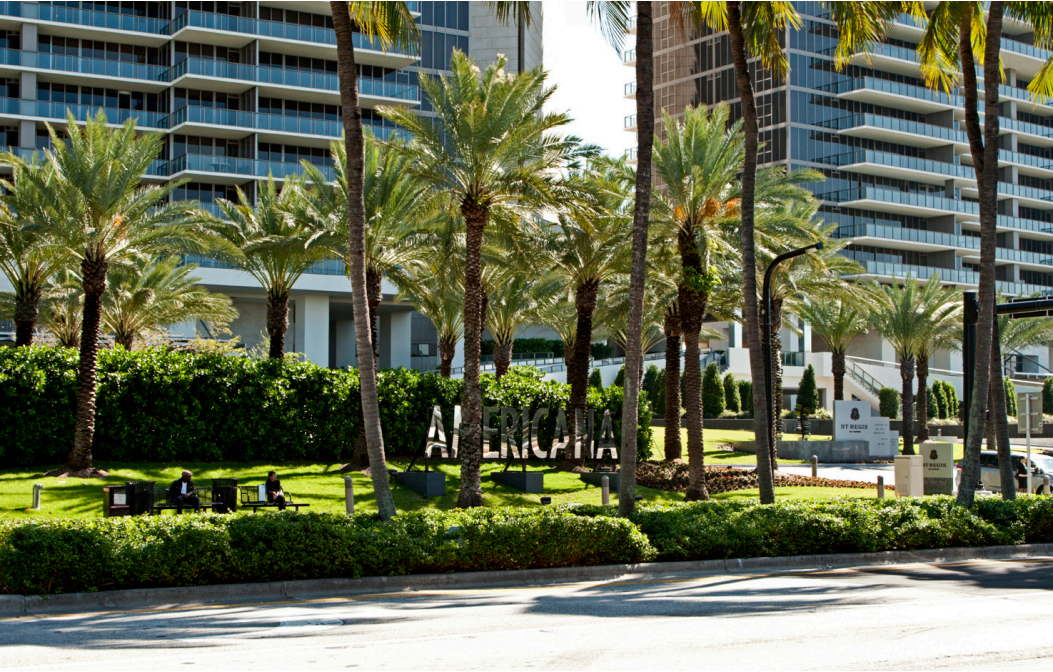
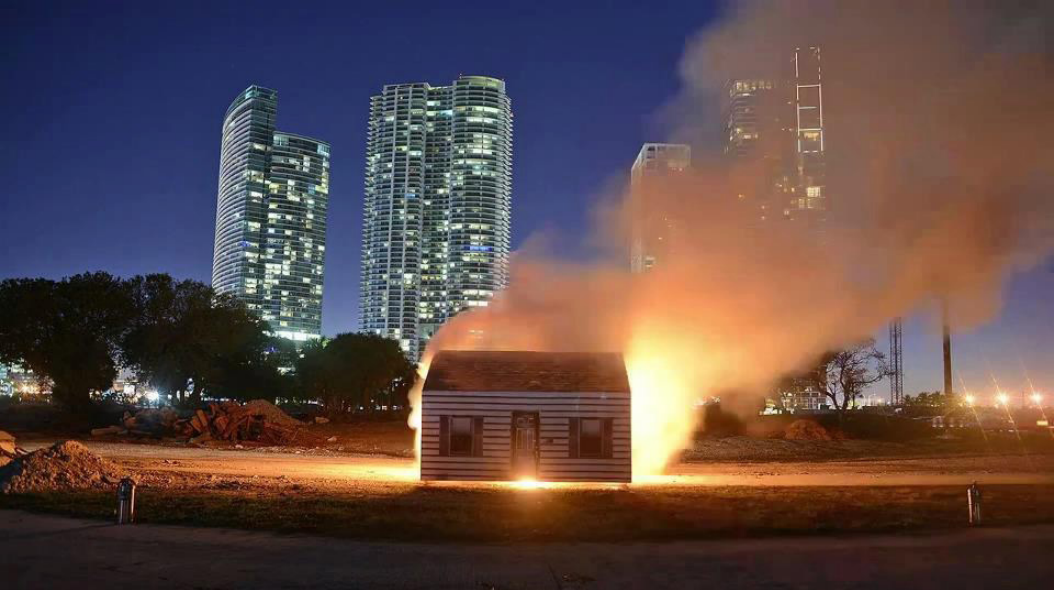
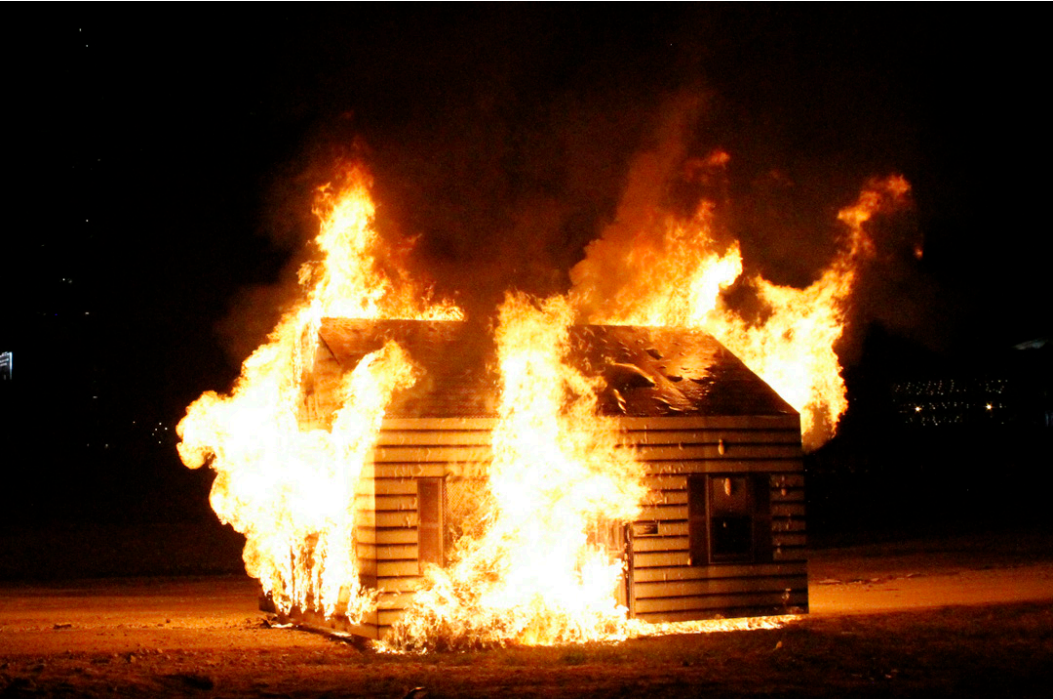
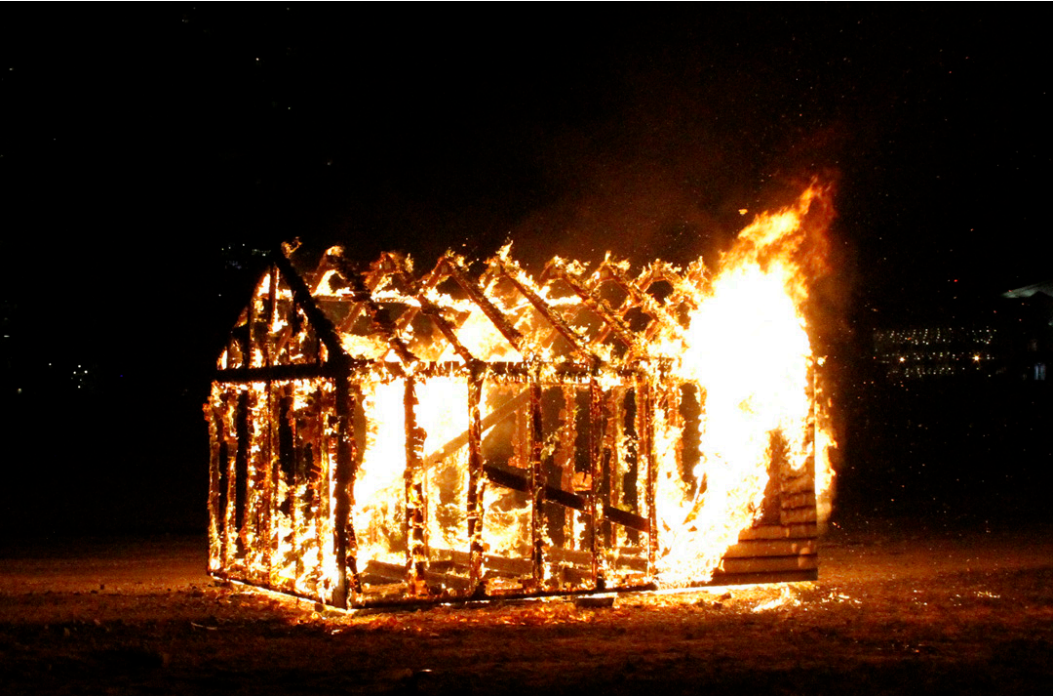
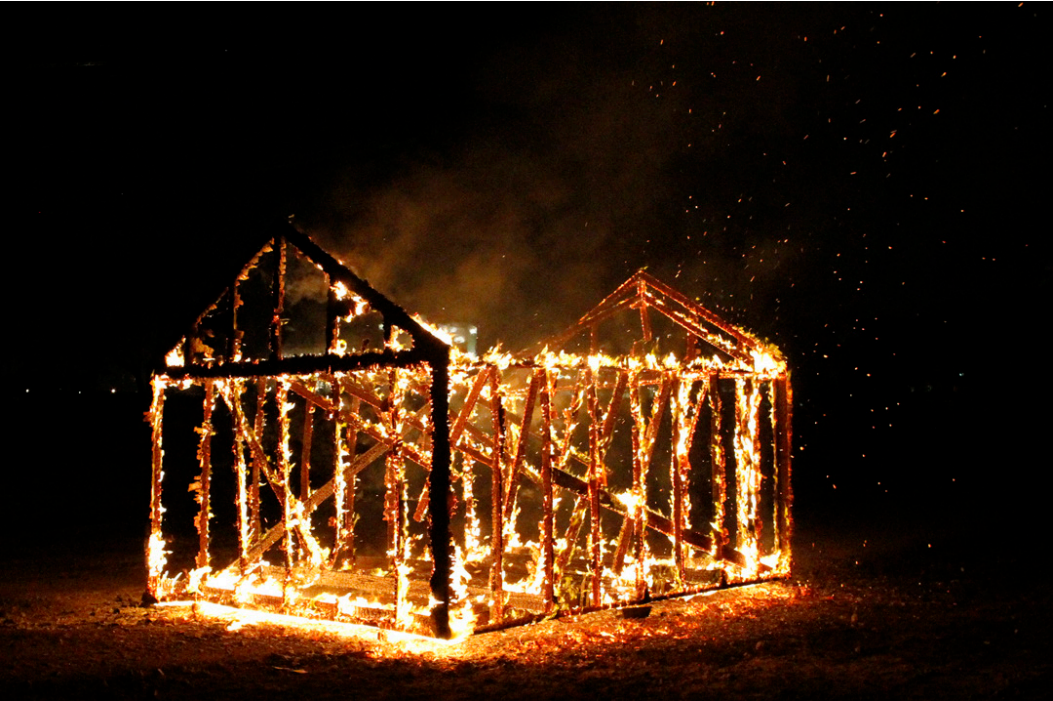
The Americana sign and the Levittown house created a framework of iconography that define an ideal of what is “The American Dream”. “PAX AMERICANA” is the first artistic intervention commissioned by the Village of Bal Harbour utilizing the Village’s history and international appeal as a tourist destination for shopping and high-end living. The house was consequently relocated and set ablaze on March 19th, 2013 as part of the exhibit “An American Falla,” in Bi-Centennial Park in downtown Miami.
AN AMERICAN FALLA
March 19th, 2013 / Miami, FL
The sculpture, a scaled down version of the model home from Levittown was transported from Bal Harbour to Bi-Centennial Park in downtown Miami that is now been renamed Museum Park. “Levittown” was developed in response to the imminent housing needs in the U.S. following the Second World War, President Eisenhower began developing the American Interstate Highway System during the same period of time that Levittown was being built, this created an urban plight to the suburbs. Ironically, sixty years later, many Americans are returning to live in “urban centers” leading many academics and scholars to ac knowledge a perceptual shift in what we consider to be the “American Dream”.
HISTORY OF LAS FALLAS
The tradition of Las Fallas stems from the 16th Century when Spanish carpenters would perform a spring-cleaning by setting ablaze the remnants of their workshops. On the eve of March 19th, the Feast of Saint Jospeh, wooden sculptures whose subject matter is both political and satirical in nature are set ablaze on honor the Patron Saint Joseph, which was celebrated as Father’s Day and coincidentally the artist fathers Birthday.
AMERICANA
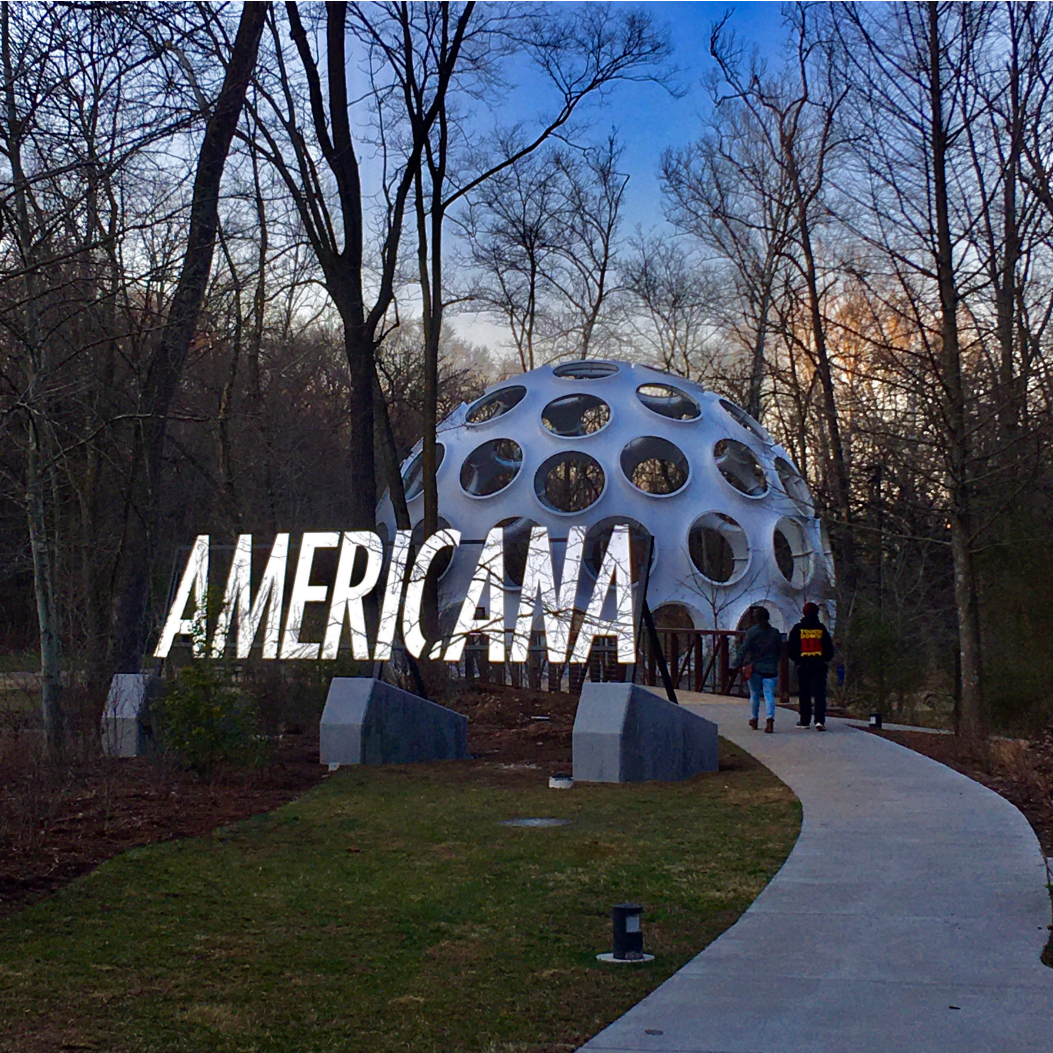
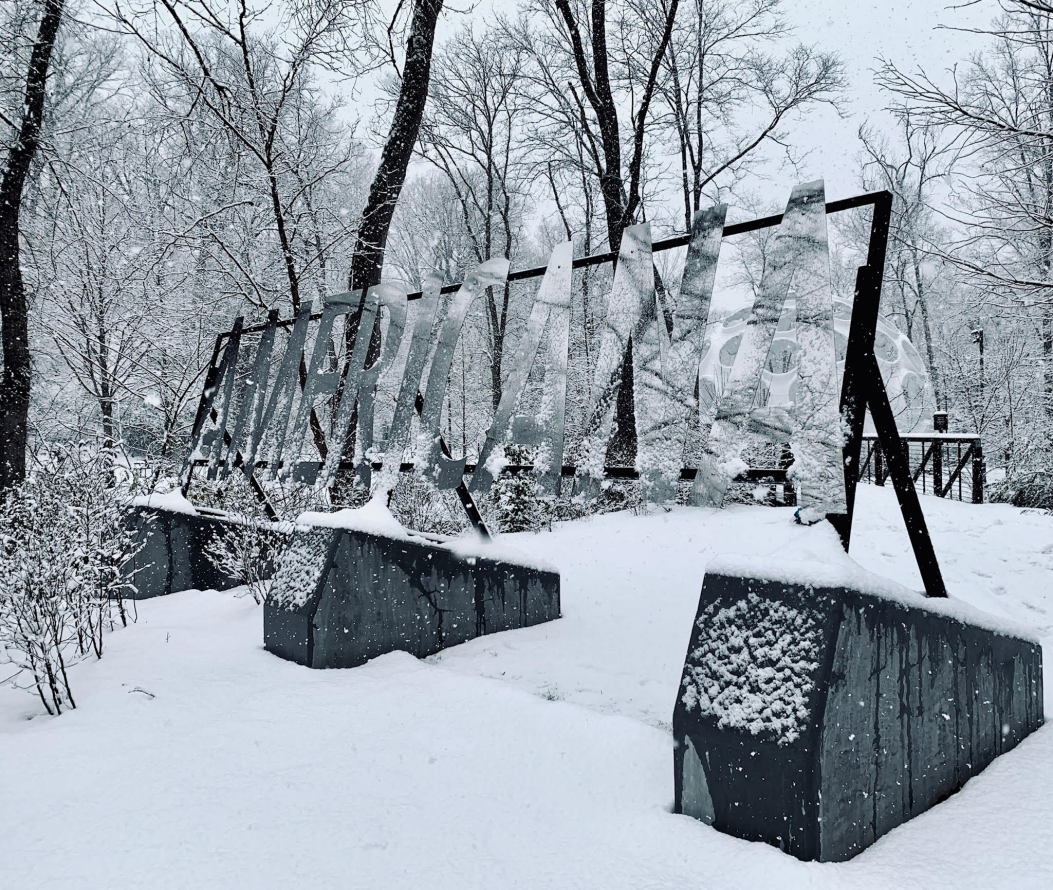
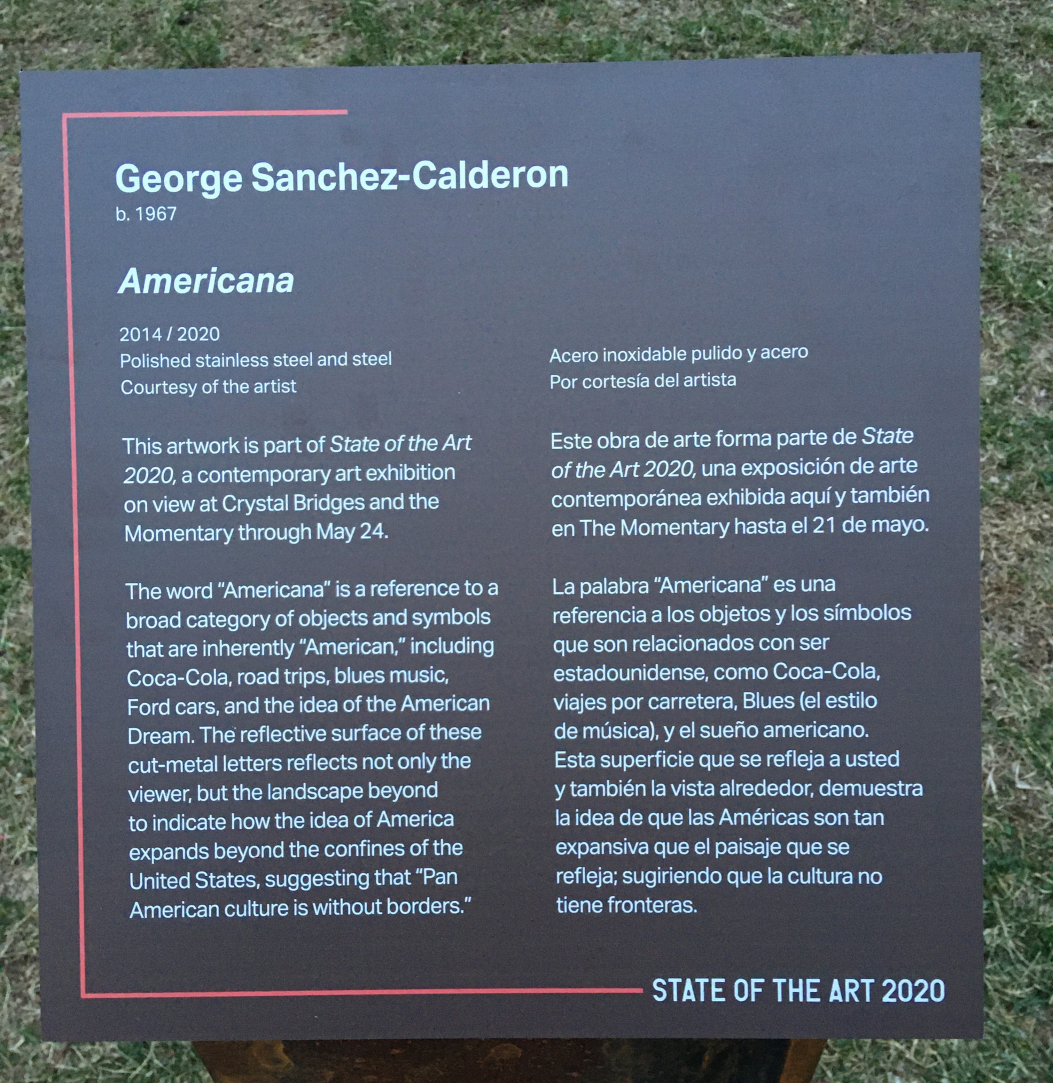
The Americana sign was first exhibited in Bal Harbour, FL as part of the “Pax Americana” installation. The sign was acquired by the Crystal Bridges of American Art in Bentonville, Arkansas as part of the exhibition “State of the Art.”
The word “AMERICANA” is a reference to a broad category of objects and symbols that are inherently “American.” including Coca-Cola, road trips, blues music, Ford cars, and the idea of the American Dream. The reflective surface of these cut-metal letters reflects not only the viewer, but the landscape beyond to indicate how the idea of America expands beyond the confines of the United States, suggesting that “Pan American culture is without borders.”